




Dropping your phone is one of those accidents that happens in a split second and costs you for weeks. Modern flagship phones are bigger, heavier, and more expensive to repair than ever, yet most people are still holding them the same way they did five years ago. Preventing drops is not about bubble-wrapping your phone. It comes down to grip, habits, and a few smart accessories that make secure handling feel natural. Here is what actually works.
Why You Keep Dropping Your Phone
Modern smartphones feel great in the store, but everyday use reveals their weaknesses. Smooth glass backs and slim aluminum edges reduce friction against your palm, and larger screens force your thumb to stretch further to reach icons at the top. That stretch shifts your center of grip and destabilizes the phone in your hand.
Hand fatigue makes the problem worse over time. Gripping a thin, slippery device for extended periods tires the small muscles in your hand, and as they tire, your hold loosens. Most drops do not happen because of a single careless moment. They happen at the end of a long stretch of one-handed use when your grip has quietly weakened without you noticing.
Common drop situations include:
- Walking while texting on busy sidewalks
- Riding public transit with sudden stops
- Pulling the phone from a pocket with one hand
- Juggling keys, coffee, and your device at the same time
These moments turn a simple fumble into hundreds of dollars in repairs. Prevention starts by recognizing these patterns instead of hoping a thick case alone will save you.
How to Stop Dropping Your Phone with Better Grips
The first real step in how to stop dropping your phone is improving the surface your hand actually touches. Textured phone cases create more friction than smooth glass or basic plastic. Soft-touch silicone, for example, feels noticeably more secure when you hold the phone one-handed on crowded public transit. Your fingers do not slide as easily, and the phone stays put even when your hand gets tired.
Fit matters as much as material. A case that feels protective in your palm might actually affect your natural grip if it adds too much bulk for your hand size. Slim, textured options often strike a better balance between grip and comfort.

How Phone Stands and Kickstands Reduce Drops
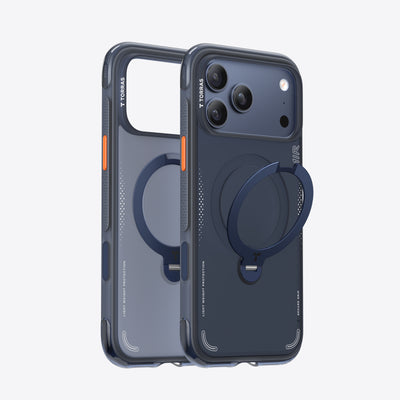
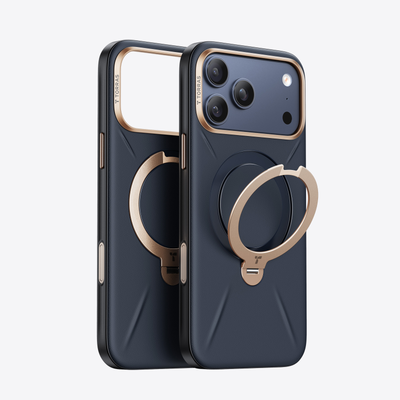
A built-in stand does more than prop up your phone for videos. It gives your fingers a mechanical anchor during one-handed use. Instead of squeezing the edges tightly, you can rest a finger through a ring or against a kickstand. This reduces the constant pressure that leads to hand fatigue and eventual slips.
In daily scenarios like scrolling while standing in line or checking directions on the street, the stand changes how your hand interacts with the device. Your thumb no longer stretches awkwardly across the whole screen. The neutral position feels more natural and stable, even on uneven surfaces such as a gym bench or kitchen counter.
Many people notice they drop their phones less when they no longer need to clamp down so hard. The stand also encourages better posture by letting you set the phone down instead of holding it at a bad angle for long periods. This small feature tackles both immediate grip issues and longer-term comfort.
How to Stop Dropping Your Phone with Tethers and Lanyards
For higher-risk moments, nothing beats a physical connection to your body. Wrist or crossbody lanyards act as the final safety net when your hand opens at the wrong time. They prove especially useful during commuting, where bus jolts or crowded spaces can knock a phone loose.
Lanyards also solve the handoff fumble. That split second when you switch from pocket to hand, or hand to table while holding other items, often ends in disaster. A short wrist strap keeps the phone from hitting the ground even if your grip fails completely. In crowded areas, they add a layer against quick theft attempts as well.
The key is choosing a comfortable length and strong attachment point. Adjustable options work best because they let you customize for different outfits and activities. Over time, the habit of wearing the tether becomes automatic, and the peace of mind is noticeable. If your hands are always full, a crossbody setup might be the single biggest upgrade you can make. See how it works in practice.
Habits That Keep Your Phone From Hitting the Ground
A few simple routines make a bigger difference than most people expect:
- Match your setup to your highest-risk moment. Commuters benefit most from a wrist or crossbody tether. People who scroll one-handed for long stretches gain more from a ring stand or kickstand case. Those who switch between tasks frequently may find a combination of both works best.
- Use two hands whenever you are moving. One-handed use while walking, climbing stairs, or navigating a crowd is where most drops happen. Switching to two hands in those moments costs nothing and prevents most fumbles.
- Create a consistent pocket routine. Retrieving your phone from the same pocket every time makes the motion automatic and reduces the fumble risk that comes with reaching into an unfamiliar spot.
- Check your grip before you start walking. A quick squeeze to confirm the phone is secure before stepping away from a table or counter takes one second and catches most near-misses before they happen.
No single habit eliminates every risk, but the right combination makes drops genuinely rare over time.

Choose the Right Setup to Stop Dropping Your Phone for Your Lifestyle
Start by identifying where drops happen most in your day. One-handed scrolling calls for a textured grip case or ring stand. Commuting and travel benefit most from a wrist or crossbody tether. For maximum coverage, combine both. The best setup is the one you actually use every day, so prioritize comfort alongside protection. Browse phone cases, stands, and lanyards built for real daily use and find the combination that fits your life.
FAQs
Q1. Do Phone Cases Really Prevent Drops?
Phone cases with textured surfaces and ergonomic features can reduce how often drops occur by improving your grip. However, no case eliminates every risk, especially in sudden movements or when your hand is already tired. Combine the case with better habits for the best results in 2026.
Q2. Are Lanyards Safe for Everyday Phone Use?
High-quality lanyards made with strong materials like braided rope and secure clasps are generally safe. They add protection during commuting or multitasking without much added weight. Always check the attachment point regularly and choose adjustable lengths that do not interfere with your movement.
Q3. What Is the Best Grip for One-Handed Phone Use?
A ring stand or finger loop placed toward the center or slightly lower on the phone often works best. It lets your hand rest in a natural position instead of stretching or squeezing. Test the placement with your own hand size since comfort varies greatly between users.
Q4. Can a Thicker Case Actually Cause More Drops?
Yes, in some cases. Extra bulk changes how the phone sits in your palm and can make it harder to hold securely for people with smaller hands. Focus on grip texture and ergonomics rather than maximum thickness when choosing the most protective phone cases for daily life.

 New
New


TORRAS Bot
The TORRAS Pebble Power Bank offers a balanced combination of portability, design quality, and dependable charging performance. Its unique pebble-inspired shape distinguishes it from traditional power banks while improving everyday usability.