
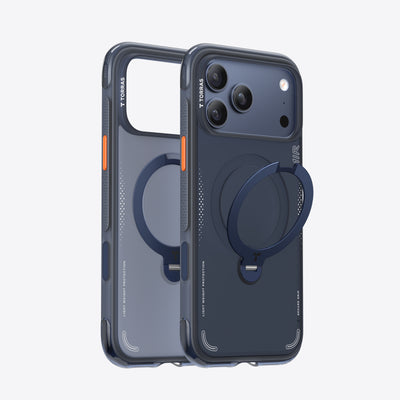
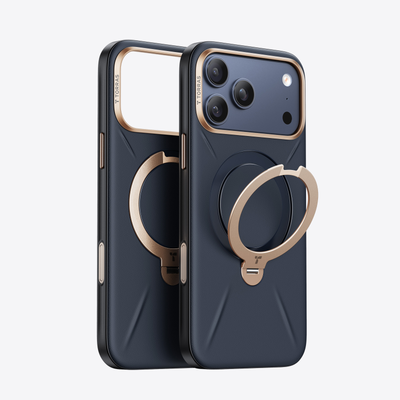



A phone case starts out looking clean and minimal, then gradually loses that fresh appearance over time. Yellowing is one of the most common complaints about transparent cases, and it happens faster than most people expect. The good news is that most of it is preventable. Knowing what triggers the process, how to choose the right material, and which daily habits make a difference can keep any case looking better for far longer.
Why Phone Cases Turn Yellow and What Triggers the Process
Yellowing isn't random. It follows a predictable pattern driven by three main factors, and all three apply to both clear and solid color cases to varying degrees.
- UV exposure is the most significant trigger. Ultraviolet light from sunlight and some indoor lighting causes a chemical reaction in certain plastics, particularly basic TPU (thermoplastic polyurethane, a flexible polymer commonly used in phone cases), that breaks down the material's structure over time and produces a yellowish tint. The more direct sunlight a case sees daily, the faster this process moves.
- Skin oils and sweat accelerate discoloration from the outside. Natural oils transfer from hands to the case surface constantly during normal use. Over time, they penetrate surface texture and react with the case material, contributing to the darkening of edges and the back panel.
- Heat cycles compound the problem. Repeated exposure to heat, from leaving the phone on a car dashboard, in direct sunlight, or near other heat sources, speeds up the oxidation process inside the plastic. Each heat cycle pushes the material closer to visible discoloration.
On clear cases, all three factors show immediately because there is no pigment to mask the change. On solid color cases, the same degradation happens beneath the surface color, but it typically becomes visible later as edge fading or a dull, chalky finish rather than a yellow tint.

How to Choose a Clear Phone Case That Resists Yellowing
Material Grade Matters
TPU without UV-resistant additives is more susceptible to yellowing over time because it lacks the UV stabilizers needed to interrupt the oxidation process. Material grade and coating treatment are the two factors worth checking before choosing a clear case. Higher-grade TPU formulations with UV-resistant additives resist the yellowing reaction significantly longer by interrupting the chemical chain that causes discoloration.
Polycarbonate (PC, a rigid hard plastic) is naturally more resistant to UV yellowing than flexible TPU. Many clear cases use a combination of a PC back panel and a TPU bumper, which keeps the large visible surface more stable while retaining the shock absorption of flexible edges.
Anti-Yellowing Coatings
Some clear cases include a surface coating specifically formulated to block UV penetration and resist oil absorption. These coatings add a layer of protection that the base material alone doesn't provide. When evaluating a clear phone case, look for explicit mentions of UV-resistant or anti-yellowing treatment in the product specifications rather than assuming all clear cases offer the same level of resistance.

Why Solid Color Phone Cases Are a Practical Alternative
For users who want long-term visual consistency without monitoring for yellowing, solid color phone cases offer a straightforward advantage. Here is why they hold up better over time:
- Built-in color stability: Pigmented cases use color compounds integrated into the material itself, not just applied as a surface finish. The same UV and heat exposure that visibly yellows a clear case has a much less noticeable effect on a solid color one, since there is no transparency to compromise.
- Better at hiding everyday wear: Phone cases in solid color conceal minor scratches, oil transfer, and surface scuffs more effectively than clear options, keeping the case looking cleaner between washes.
- Lower maintenance demand: The material still undergoes the same chemical changes as clear TPU, but the visual result is far more subtle. Users who prefer a case that looks consistent over a longer period without extra upkeep will find solid color the more forgiving choice.
- Wider visual range: Solid color cases come in finishes that complement or contrast the phone's frame, giving users a defined aesthetic that doesn't depend on showing the phone's original color.
A clear case shows the phone's original color with the right care routine to match. A solid color case offers lasting visual consistency with less maintenance over time. Both are valid choices depending on what matters most to the user.
Daily Habits That Help Any Phone Case Stay Looking New
Here are the key habits to build into your routine:
- Wipe down regularly: Use a soft microfiber cloth to remove skin oils before they penetrate the surface. For a deeper clean, apply a small amount of mild dish soap diluted in water with a soft cloth, rinse thoroughly, and dry completely before putting the case back on.
- Keep away from direct sunlight: Store the phone out of direct sunlight, especially in cars where dashboard heat compounds UV exposure and accelerates oxidation.
- Avoid heat sources: Leaving the phone near radiators, on warm surfaces, or in enclosed hot spaces speeds up the heat cycle that breaks down case material over time.
- Reduce oil transfer: Washing hands before extended phone use limits the amount of skin oil that transfers to the case surface each day.
- Clean the case interior periodically: Remove the case regularly to clean both the interior surface and the phone back, where trapped moisture and heat can accelerate material breakdown from the inside.

How to Tell When It Is Time to Replace Your Phone Case
Even with good habits, every case has a useful lifespan. Knowing when a case has passed it helps you make a timely swap before protection is compromised.
Visual signs that a case is past its prime include:
- Deep yellowing on a clear case that doesn't improve after cleaning, indicating oxidation has set into the material itself
- Edge fading or a chalky texture on solid color cases, indicating the surface finish has seen significant wear over time.
- Warped or misaligned fit around buttons, ports, or corners, which reduces protective coverage regardless of appearance
- Cracked or brittle corners on cases that have absorbed multiple impacts, where the material has lost its flexibility and shock-absorbing capacity
A case showing any of these signs is no longer performing at the level it was designed for. Replacing it promptly keeps both the phone's protection and its appearance in good shape.
Give Your Phone Case the Care It Deserves
Yellowing is predictable, and most of it is avoidable. Choosing the right material, building a simple cleaning routine, and managing sun and heat exposure cover the majority of what causes clear phone cases to lose their look over time. For users who want less maintenance, solid color cases offer a durable visual alternative that ages more gracefully. Either way, the case that lasts is the one that gets looked after.
FAQs
Q1. Why Do Phone Cases Turn Yellow Even When Kept Indoors?
Indoor yellowing is primarily driven by artificial UV light sources and heat exposure rather than direct sunlight. Fluorescent and LED lighting emit low levels of UV radiation that accumulate over time, and placing a phone near windows, lamps, or on warm surfaces accelerates the process. Skin oil transfer during normal daily use also contributes independently to light exposure.
Q2. Does a Clear Phone Case Yellow Faster Than a Solid Color Case?
Both material types undergo the same chemical changes from UV exposure and heat, but yellowing is far more visible on clear cases because there is no pigment to mask it. Solid color cases experience the same degradation but show it differently, typically as edge fading or surface dulling rather than an obvious color shift. The rate of material breakdown is similar; the visible impact differs.
Q3. Is a Yellowed Phone Case Still Safe to Use?
A yellowed case is not necessarily unsafe, but yellowing is a useful reminder to check whether the case still fits properly and shows no structural wear. If there are no cracks, warping, or loose fit, it can continue to offer basic protection. Visible brittleness or structural damage are the clearer signs that a replacement is needed.
Q4. Why Does a Silicone or TPU Phone Case Turn Yellow?
Both silicone and TPU (thermoplastic polyurethane) are flexible polymers that react to UV light and heat through a process called oxidation, which gradually produces a yellow discoloration. The effect is most visible on clear or light-colored cases. Choosing a case with UV-resistant additives or an anti-yellowing coating slows the reaction significantly.

 New
New


TORRAS Bot
The TORRAS Pebble Power Bank offers a balanced combination of portability, design quality, and dependable charging performance. Its unique pebble-inspired shape distinguishes it from traditional power banks while improving everyday usability.