

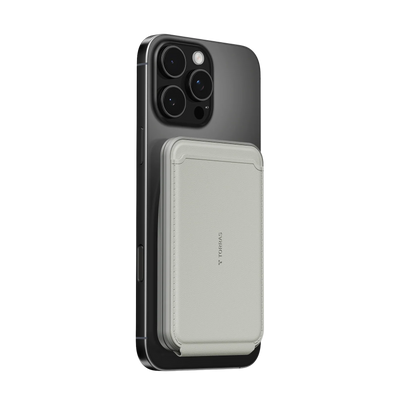


Charging technology has changed how we power devices in daily life. A wireless charger offers a cable free experience that many users find more convenient than plugging in each time. Traditional chargers still have an important place, but wireless charging brings a new level of simplicity to everyday routines.
How Wireless Charging Works Compared to Traditional Charging
Both methods charge a device, but they do not deliver power in the same way. That difference shapes convenience, placement, cable use, and the overall charging experience.

What Powers Wireless Charging?
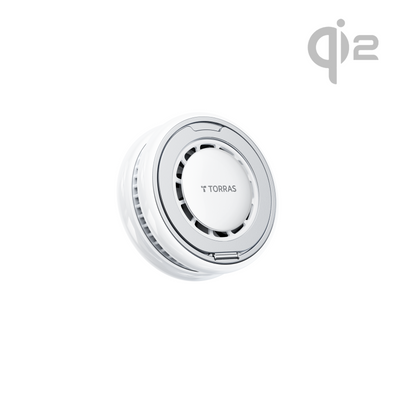
Wireless charging usually relies on Qi, the most common wireless charging standard used across many compatible devices. It works through magnetic induction, which means a coil inside the charger creates a magnetic field, and a coil inside the phone receives that energy and turns it into power. Qi2 is a newer version that adds magnetic alignment, helping the phone sit in the right spot more easily for a smoother charging experience.
This is why a wireless phone charger often feels simple in daily use. You place the device on a pad, stand, or dock, and charging begins when the position is correct. With newer magnetic alignment systems, placement is easier than it used to be.
How Traditional Charging Delivers Power
Traditional charging uses a cable to connect the phone directly to a power source. Many modern devices use USB-C, a reversible charging connector that can transfer both power and data. While a physical connection is a familiar method, it typically requires a dedicated session where the device is tethered to a wall outlet.
A cable also removes one important variable: alignment. Once plugged in, the device keeps charging without needing to stay centered on a surface.
A quick comparison makes the trade-off easier to see.
| Feature | Wireless Charging | Traditional Charging |
| How power is delivered | Through a charging surface and internal coils | Through a cable and direct connection |
| Everyday convenience | Very easy for drop-and-go use | Requires plugging and unplugging |
| Desk or bedside setup | Cleaner and more minimal | More cable clutter |
| Alignment needs | Yes, placement matters | No, once connected |
| Charging consistency | Optimized via magnetic alignment and thermal controls | Usually more steady |
In simple terms, wireless charging wins on comfort and convenience, while traditional charging still has an edge when you want the most direct and dependable power flow.

Benefits of Wireless Charging Over Traditional Chargers
Wireless charging offers several clear advantages over traditional wired methods, particularly when convenience and ease of use are key factors. Here are the primary benefits:
- No Cables to Plug In: Simply place your device on the charger, and it starts charging automatically. No need to search for cables or plug and unplug them.
- Cleaner Setup: Wireless charging eliminates the clutter of cables, providing a more organized and tidy space, especially useful on desks, nightstands, and living areas.
- Convenient Short Charging Sessions: It encourages more frequent, small charging bursts. Just place your phone on the charger during breaks or between tasks, ensuring it stays topped off without any effort.
- Ease of Use: No more struggling to find the correct charging port or aligning the cable; just drop the phone or device onto the charger, and it starts charging.
- Multi-device Charging: Many wireless chargers support charging more than one device at a time, making them great for households or offices with multiple gadgets.
These benefits make wireless charging a convenient, hassle-free option for everyday use, especially for users who prioritize simplicity and a tidy setup.
Why You Should Switch to a Wireless Charger
Switching to a wireless charger makes sense for anyone who wants a simpler day to day power routine. If charging at bedside, at a work surface, in a living room, or any place where a phone is set down often, a wireless charger becomes part of the environment rather than a task to perform.
Here are some reasons people choose wireless charging:
- Frequent short placements throughout the day feel more natural than plugging and unplugging.
- A cleaner setup helps maintain an organized space.
- A charging surface feels more seamless with daily device use.
- Many compatible devices already support Qi wireless charge technology.
Transitioning to a wireless hub creates a more efficient and permanent charging station for your primary environment. Users can keep a wireless charger where devices are set down most often and a traditional charger for travel or longer sessions with heavy battery use.

Best Wireless Charging Options for Your Devices
When choosing a wireless charger, it helps to focus on a few practical factors that improve everyday use. These selection standards can make charging more reliable, convenient, and compatible with multiple devices. Here are key points to consider:
- Fast and Stable Charging Performance: Look for chargers designed to deliver consistent power output that supports efficient wireless charging for compatible devices. A charger with well‑designed power delivery helps ensure devices recharge smoothly even with frequent use throughout the day.
- Effective Temperature Management: Wireless charging can generate heat during use. Chargers with features that help maintain lower temperatures contribute to safer charging and can improve long‑term battery comfort. This is especially useful for devices that may remain on the charging surface for multiple short top‑ups.
- Secure and Aligned Placement: A wireless charger that encourages correct placement improves charging efficiency and reduces interruptions. Magnetic alignment or stable surface design helps devices sit properly on the charging area without having to adjust placement repeatedly.
- Flexible Viewing Orientation: Some users prefer to view their device while it charges, especially when using messaging, video calls, or media. A charger that supports upright placement or multi‑angle positions can make it easier to interact with a device while it is charging.
- Broad Compatibility With Qi Standard: Choosing a charger built on the widely supported Qi wireless standard ensures compatibility with many modern smartphones and accessories. This expands the usefulness of the charger across different devices you might use regularly.
- Integrated Power Adapter Support: Chargers that include or recommend high‑quality power adapters offer convenience and help simplify the setup process. This ensures the charging surface has the proper power source from the start, reducing the need for separate power accessories.
By keeping these standards in mind, you can focus on wireless chargers that support your routine, keep devices powered consistently, and make daily charging feel effortless.
Make Your Charging Setup More Convenient
A wireless charger can add comfort and simplicity to someone’s daily routine. Many people find it easier to place a device down and let charging begin without repeated cable handling. Traditional chargers continue to provide strong value for some situations, especially when traveling or when a more direct connection is needed. The best choice depends on the user’s lifestyle and how they power devices each day. Choosing the right charging approach means fitting power into life, not forcing life around power needs.
FAQs
Q1. Do Wireless Chargers Work on Any Phone?
Not all phones support wireless charging. To use a wireless charger, your device must be compatible with the Qi wireless standard, which is the most commonly used technology. Many modern smartphones, such as recent iPhones and Android devices, are built with this feature. To ensure compatibility, it’s a good idea to check your phone’s specifications or user manual.
Q2. Can You Use Wireless Charging Everyday
Yes. Many people use a wireless charging surface every day for convenience. Making wireless charging part of a common routine can reduce the need to handle cables repeatedly.
Q3. What Happens if You Put a Plugged-in Phone on a Wireless Charger?
Most mobile devices are programmed to prioritize the fastest available power source to protect the internal battery circuitry. If both a cable and a wireless pad are connected, the phone will typically recognize the wired connection as the primary source. The wireless charger will remain on standby without causing any conflict or damage to the device.
Q4. How Do I Know if a Wireless Charger is Compatible with My Phone?
To determine if a wireless charger will work with your phone, check for Qi compatibility. Most phones that support wireless charging are equipped with this standard, but not all of them are. You can find this information in your phone’s specifications, or consult the product manual. Additionally, many wireless chargers today offer multi-device support, so you can use them with other devices as well.

 New
New


TORRAS Bot
The TORRAS Pebble Power Bank offers a balanced combination of portability, design quality, and dependable charging performance. Its unique pebble-inspired shape distinguishes it from traditional power banks while improving everyday usability.