
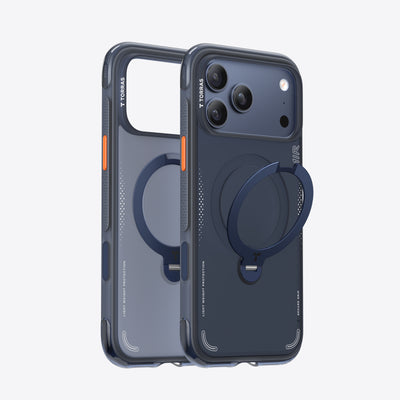
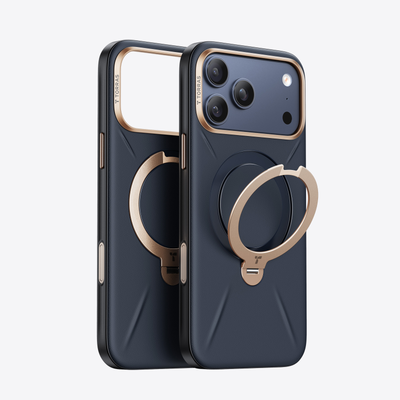

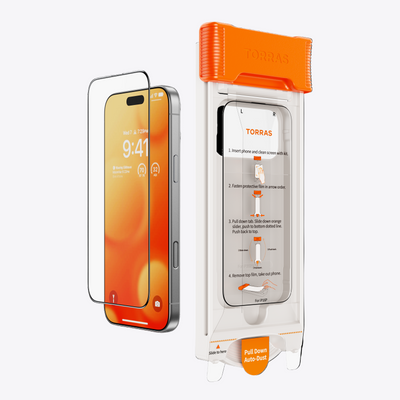
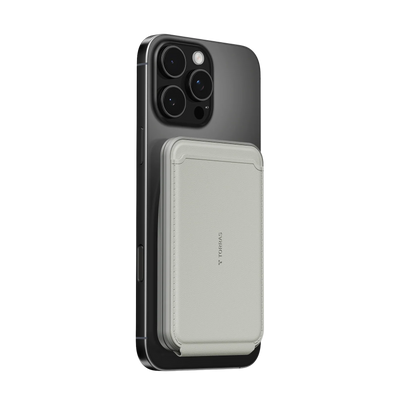


The best screen protector for iPhone 16 Pro in 2026 balances precision fit with your case, maintains the silky touch of the Super Retina XDR display, and survives daily pocket carry without lifting at the edges. For most users pairing it with a rugged case like the TORRAS Ostand series, look for a tempered glass option with a 1.2–1.5 mm case-friendly gap, an InstaFit-style alignment tray, and Tora-Silk oleophobic coating that keeps the surface smooth for months of one-handed use on crowded commutes.
The New Geometry: Why iPhone 16 Pro Needs a High-Precision Fit
The iPhone 16 Pro’s 6.3-inch Super Retina XDR display sits inside noticeably thinner bezels than earlier models. That slim frame leaves almost no room for error when you drop a screen protector on top. Even a half-millimeter shift becomes obvious along the curved edges, and it can catch your thumb during quick swipes while you’re walking or driving.
Older protectors designed for the 6.1-inch iPhone 15 Pro often sit too wide or too narrow now. The active display area reaches closer to the physical edge, so any overlap blocks gestures or creates a visible halo of dust that collects over a week of commuting. This is why many people who simply reused last year’s protector end up peeling it off the same day they unbox the new phone.
As Apple’s official tech specifications confirm, the tighter geometry demands a protector cut specifically for the 16 Pro. Universal fits from previous years usually create the very edge-lifting problem that ruins the clean look you paid for.
The Case-Friendly Checklist: Achieving the 1.35mm 'Goldilocks Zone'
A truly case-friendly screen protector isn’t one that hugs the absolute edge of the glass. It leaves a deliberate 1.2–1.5 mm gap so the raised lip of your case can sit without constantly pressing on the protector’s perimeter. That small buffer prevents the case from “pushing” the glass upward and creating bubbles or lifting after a few days in your pocket.
Rugged cases such as the TORRAS Ostand need the larger end of that range. Their thicker protective lips are designed to absorb face-down drops, but they exert more pressure on anything that sits too close. Slimmer cases can get away with a tighter gap, yet going completely edge-to-edge often backfires once you snap the case on.
Recommended Screen Protector Gap by Case Type for iPhone 16 Pro
Use this as a clearance guide: tighter cases usually need a larger protector gap to reduce edge lifting, while case-friendly designs can work with a smaller buffer. The safest choice depends on the case profile and the amount of bezel pressure it creates.
View chart data
| Scenario | Full coverage | Slim case-friendly | Rugged case | Bulky rugged/Ostand-style |
|---|---|---|---|---|
| Low lift risk | 0.0 | 0.0 | 0.0 | 0.0 |
| Moderate lift risk | 0.0 | 0.0 | 0.0 | 0.0 |
| Higher lift risk | 0.0 | 0.0 | 0.0 | 0.0 |
This clearance map helps you see the pattern before you buy. Choose a protector that matches the lip height of the case you actually carry every day. If you switch between a slim clear case and a bulky Ostand, the middle of the 1.2–1.5 mm range usually gives the least drama over time.
9H Hardness vs. Reality: Debunking the Scratch-Proof Myth
Walk past any display in an electronics store and you’ll see “9H hardness” plastered across every package. That rating comes from the ASTM D3363 pencil test, which simply means the surface resists scratches from a 9H pencil lead. It does not mean the glass can survive keys, sand, or quartz particles that sit higher on the Mohs mineral scale.
As this detailed explanation of screen protector hardness makes clear, 9H is a useful baseline but not a magic shield. Real-world scratches usually come from microscopic grit that collects in your pocket or on a car mount, not from pencils.
What actually changes your daily experience is the Tora-Silk coating layered on top of that military-grade 9H glass. It lowers surface friction so dust and skin oils slide off instead of embedding. After six months of commuting, swiping still feels like bare glass instead of the slightly sticky drag you notice on cheaper protectors. That smooth feel matters more during long scrolling sessions than any hardness number on the box.
The Installation Revolution: Why Manual Alignment is Dead in 2026
The iPhone 16 Pro’s thin bezels make eyeballing the position almost impossible. One slight tilt while pressing down and you trap a speck of lint or create a permanent bubble near the Dynamic Island. Most people who try the cheap no-tray options end up peeling the glass off and starting over, which wastes both time and the second protector that came in the pack.
Modern kits use an alignment tray that snaps onto the phone’s exact chassis. The InstaFit design creates a light vacuum that pulls out floating particles as you lower the glass. In practice this means you can install it on a desk at the office or even in a moving train without ending up with visible dust halos.
Recent reviews of installation trends, such as those from Wirecutter, show that these guided trays have become the standard for bubble-free results on new iPhones. Spending a few extra dollars on the tray saves the frustration of wasted glass and the regret of living with a lifted corner that collects pocket lint.
Sensor Integrity: Protecting the Dynamic Island Without Lag
Face ID works by projecting invisible dots of infrared light and reading how they bounce back. Any film or glass that scatters those dots even slightly can slow recognition or cause occasional failures, especially after a few months when microscopic dust works its way under the edges.
Full-coverage protectors solve the dust-halo problem around the Dynamic Island but must hit 99.9 % light transmittance so the sensors still see clearly. Precision U-shaped cutouts avoid covering the sensor array entirely yet tend to act like lint traps that need weekly cleaning if you live in a dusty city or use the phone on construction sites.
For most commuters who keep the phone in a front pocket, the full-coverage version with molecular bonding adhesive stays clearer longer. Office users who rarely encounter grit often prefer the cutout style because it never risks even the smallest optical interference. Either choice works as long as the manufacturer specifically lists iPhone 16 Pro compatibility and 99.9 % transparency.

Maintaining Clarity: Tora-Silk and Anti-Fingerprint Longevity
Oleophobic coatings that repel fingerprints are never permanent, yet some last dramatically longer than others. Tora-Silk uses a molecular bonding process that keeps the silky, bare-glass feel for up to a year of normal daily use. After that many months you still notice the difference when you pick up a phone that has a generic protector—the surface feels slightly tacky, especially after a long day of texting at red lights.
Simple habits extend that lifespan. Wipe the screen with a microfiber cloth instead of your shirt sleeve, and avoid household cleaners that contain alcohol or ammonia. Those chemicals strip the coating in weeks rather than months. Many users who travel with the phone in the same pocket as keys or coins report that the Tora-Silk layer noticeably reduces how often they have to clean smudges during evening commutes.
The tactile feedback matters when you’re using the phone one-handed while holding a coffee or gripping a subway pole. A surface that still feels smooth after nine months makes every interaction more pleasant and reduces the urge to peel the protector off early.
Choosing the Right Protector for Your Daily Routine
If you mainly use a slim clear case and work in a clean office, a precision full-coverage protector with InstaFit tray gives the cleanest look and easiest install. Switch to a rugged Ostand for travel or outdoor work and you’ll want the version engineered with the 1.2–1.5 mm clearance so the thicker case lip never creates lifting pressure.
Check the gap measurement listed in the product details before you click buy. Pair that with the Tora-Silk coating if you hate constantly wiping fingerprints during long days. Those two details—clearance and coating quality—eliminate most of the common regrets people have six weeks after installation.
The GlassGo Screen Protector for iPhone 16 Pro was designed exactly for this combination of thin-bezel geometry, rugged-case compatibility, and everyday tactile performance. Many customers who upgraded from older protectors mention that the InstaFit tray alone saved them from the bubble frustration they experienced in the past.
For broader advice on whether any screen protector is worth using, read our guide on Do Screen Protectors Work?. If you’re still deciding between tempered glass and film, Is Tempered Glass the Best Screen Protector? walks through the real differences you feel in daily use.
How Long Do Screen Protectors Last on the iPhone 16 Pro?
Most high-quality tempered glass protectors with Tora-Silk coating maintain their smooth feel and clarity for 9–12 months under normal pocket carry and commuting conditions. The 9H glass itself rarely cracks from everyday drops because the case absorbs most impacts, but the oleophobic layer gradually wears from skin oils and cleaning. Replace it when swipes start to feel draggy or when you notice fine scratches that catch light at certain angles.
Will a Case-Friendly Screen Protector Interfere with MagSafe or Wireless Charging?
No. A properly fitted 0.33 mm tempered glass protector adds negligible thickness and does not block the magnetic alignment or charging coils. The TORRAS GlassGo version was tested with the full Ostand MagSafe ecosystem and charges at full speed whether the case is on or off.
Does the iPhone 16 Pro’s Ceramic Shield Really Need a Screen Protector?
Ceramic Shield is tough against drops, yet it still scratches from everyday grit in pockets or on tables. A case-friendly tempered glass layer acts as a sacrificial surface that absorbs those micro-abrasions while preserving the original glass underneath. Most users find the added peace of mind and smoother long-term feel worth the small investment.
Can I Use the Same Screen Protector When I Switch Between Different TORRAS Cases?
Yes, as long as you stay within the 1.2–1.5 mm clearance range. The GlassGo protector designed for the iPhone 16 Pro works across the slim clear cases and the thicker Ostand series because its edge offset was engineered for both. If you move to a much bulkier third-party case, double-check the lip height first.

 New
New


TORRAS Bot
The TORRAS Pebble Power Bank offers a balanced combination of portability, design quality, and dependable charging performance. Its unique pebble-inspired shape distinguishes it from traditional power banks while improving everyday usability.