

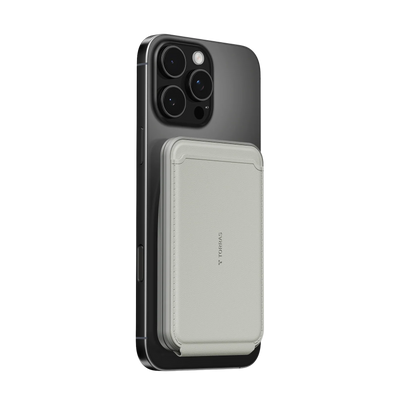


The iPhone 17 Air's razor-thin 5.6 mm profile makes every added millimeter of a case feel obvious in the hand and pocket. Many owners want scratch and drop protection plus reliable MagSafe charging and hands-free viewing without ruining that premium slim feel. A well-engineered slim case can deliver meaningful protection and full MagSafe utility while staying close to the bare-device experience.
The iPhone 17 Air Dilemma: Why 'Slim' Isn't Enough Anymore
Apple's thinnest iPhone yet turns heads with its lightweight titanium frame and minimal thickness, but that same design leaves the glass more vulnerable to scratches from keys or drops onto hard surfaces. Standard cases quickly add noticeable bulk that defeats the entire point of the Air's sleek profile. Many early adopters end up carrying the phone bare for the feel, only to regret it after the first scuff or when they need a stable viewing angle during a video call on the train.
The real challenge lies in finding protection that doesn't fight the phone's design. You want something thin enough to slip easily into tight jeans pockets yet grippy enough for one-handed use while commuting. MagSafe compatibility becomes critical too—your charger and car mount should snap on securely without misalignment or weak hold. This is where utility-led minimalism matters: cases that embed essential features like magnetic rings and stands directly into a low-profile shell rather than stacking them on top.
The 3mm Rule: Engineering MagSafe for an Ultra-Thin Device
MagSafe and Qi2 charging perform best when the distance between the charger and the phone's internal coil stays under roughly 3 mm. Once a case pushes past that threshold, alignment weakens and speeds can drop, especially in warmer conditions or with heavier accessories attached. For the iPhone 17 Air's 5.6 mm body, this means the case back itself must stay exceptionally thin to avoid creating a performance cliff.
Surface-mounted stands often create an annoying bump that ruins the flat-in-pocket feel and can interfere with wireless charging pads. A flush-mounted design solves this by recessing the entire magnetic ring and hinge mechanism into the case structure. As explained in this guide to MagSafe cases, keeping total added thickness low preserves both charging reliability and the phone's elegant lines.
This chart shows how different thickness levels typically affect real-world usability. The sweet spot around 1.5 mm tends to deliver the best balance for most daily needs.
Flush-Mount Engineering: How Ostand Preserves the Air Profile
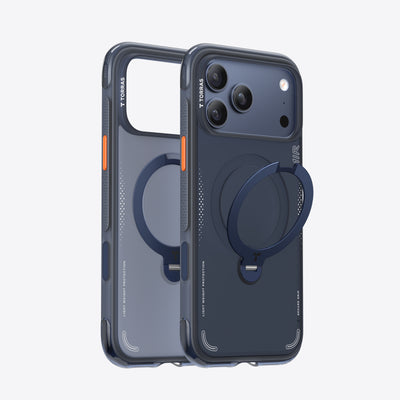
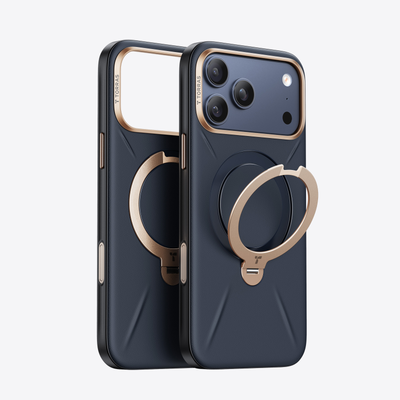
Traditional kickstands sit proud of the case surface, adding several millimeters of bulk and creating pressure points in your pocket. Flush-mount engineering changes that by embedding the magnetic ring and hinge directly into the case's structural layer. The result feels almost like the bare phone when closed yet deploys into a stable stand with a satisfying click.
The Ostand mechanism in particular maintains strong 18N magnetic pull without extra layers. When you unfold the stand, it locks firmly for landscape video calls or recipe viewing in the kitchen, then folds perfectly flat again. In everyday use, this means the phone still slides smoothly into a front pocket and doesn't create hot spots against your leg during a long commute. Check the Ostand Q3 Air collection page to see how the integration works on the iPhone 17 Air specifically.
Protection vs. Profile: Can a Slim Case Actually Survive a Drop?
Titanium frames feel incredibly rigid, but that stiffness transmits impact shock straight to the glass rather than absorbing it. Ultra-thin 1.0 mm cases mainly guard against scratches and light bumps; they offer limited help against frame bending when the phone sits in a back pocket and someone sits down. Raising thickness to about 1.5 mm allows room for strategic corner cushioning that better dissipates energy where it matters most.
Cases like the Ostand Q3 Spin achieve solid drop performance in lab testing while remaining remarkably slim. The key isn't overall thickness but targeted reinforcement at the corners and edges. This dedicated product page details how the design handles everyday drops without turning the phone into a brick. Still, no slim case replaces careful handling—treat the 12 ft rating as guidance from controlled conditions rather than a guarantee against every real-world accident.

Beyond the Stand: Ergonomics and Daily Wear
A good slim case does more than protect and hold a stand. The right material choice makes a surprising difference in real life. Soft-touch finishes resist fingerprints better than glossy alternatives and provide just enough grip to feel secure when you're juggling coffee and your phone on a crowded subway platform. Over months of use, these surfaces tend to stay cleaner than bare titanium, which shows every smudge.
The 360-degree rotating stand on certain Ostand models proves especially handy for content creators who switch between portrait and landscape while filming or taking calls. It also works well in the car when mounted magnetically on the dash. For longevity, metal alloy hinges generally hold their torque longer than plastic ones, reducing that floppy feeling that develops after repeated opening and closing. Read more about ergonomic benefits in this guide to ergonomic phone cases.
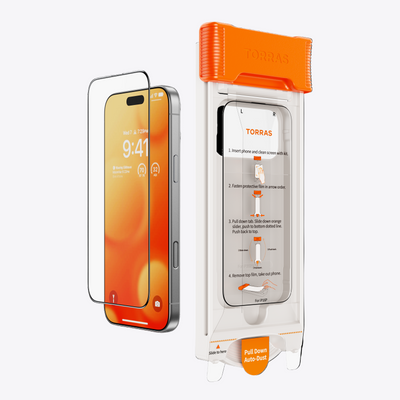
Many owners also pair these cases with a matching screen protector and camera lens guard for complete coverage without adding bulk. The iPhone 17 Air collection includes complementary accessories that maintain the overall slim profile.
Choosing Your iPhone 17 Air Case: The Final Decision
Most users will feel happiest with a roughly 1.5 mm case that hits the sweet spot between the Air's sleek design and practical daily protection. If you live with your phone mostly in a front pocket and rely heavily on MagSafe chargers and mounts, prioritize flush-mount engineering and stay under the 3 mm comfort zone for charging. Content creators or anyone who uses the stand multiple times a day should verify hinge quality and torque retention, since a wobbly stand quickly becomes annoying.
Go ultra-thin (around 1.0 mm) only if scratches are your main worry and you're extremely careful with drops. Choose a model with stronger corner protection and the 12 ft rating if your routine includes more risk—commutes with heavy bags, travel, or households with kids and hard floors. The Ostand Q3 Air or Q3 Spin both serve these needs well depending on whether you want the absolute thinnest profile or extra peace of mind.
Explore the full range of slim MagSafe cases or browse best-sellers to compare options side by side. Test the stand in person if possible, because the difference between a solid hinge and one that loosens over time is something you feel every day.
Does an Ultra-Thin Case Still Support Full MagSafe Charging?
Yes, provided the total added thickness stays comfortably under 3 mm and the magnetic ring aligns precisely with the phone's coil. In practice, flush-mount designs maintain stronger connection and faster charging than surface-mounted alternatives, though actual speeds can vary slightly with temperature and accessory weight.
How Much Drop Protection Can You Really Expect From a 1.5 mm Case?
Lab-certified models can survive drops from around 12 feet onto flat surfaces thanks to targeted corner cushioning, but they won't absorb impacts as well as thicker rugged cases. The titanium frame helps with bending resistance, yet you should still avoid repeated drops onto concrete edges where glass is most vulnerable.
Will the Integrated Stand Loosen Over Time?
Metal alloy hinges generally hold torque better than plastic, especially with moderate daily use. Expect reliable performance for a year or more with normal care, though heavy users who open and close the stand dozens of times daily may notice some softening after 18–24 months. Many owners rotate between landscape and portrait positions to distribute wear evenly.
Is a Slim Case Enough Protection for the Titanium iPhone 17 Air?
It depends on your habits. For scratch resistance and light daily knocks, a quality 1.5 mm case with proper corner reinforcement offers meaningful protection while preserving the phone's light weight and thin profile. For higher-risk environments, combine the case with a tempered glass screen protector and consider your typical drop scenarios before deciding it fully replaces careful handling.
Which Thickness Feels Best for Pocket Carry and One-Handed Use?
The 1.5 mm range usually strikes the best balance—thin enough to forget you're carrying a case yet thick enough for a secure grip on public transit or while walking. Anything significantly under 1 mm can feel too slippery, while anything over 3 mm starts to remind you the case is there every time you reach for your phone.

 New
New


TORRAS Bot
The TORRAS Pebble Power Bank offers a balanced combination of portability, design quality, and dependable charging performance. Its unique pebble-inspired shape distinguishes it from traditional power banks while improving everyday usability.