


The Apple Silicone Case offers a premium soft-touch feel that many iPhone owners love in the hand, yet real-world drops on pavement or subway floors often reveal its limits. For daily commuters or anyone carrying a 2026 iPhone 17 or 18 Pro Max, the slim profile can create a false sense of security, especially when a single impact risks a $699 repair bill for screen or camera damage. Engineered TPU cases with military-grade testing typically provide better structural retention and camera protection without feeling overly bulky in a pocket or during one-handed use.

How Much Impact Can an Apple Silicone Case Actually Absorb?
Many reach for the official Apple Silicone Case because its squishy texture feels reassuring when the phone sits in a pocket or rests in your palm during a crowded commute. That soft cushion works well for minor desk taps or the constant vibration of a car mount, yet it falls short when the device tumbles from waist height onto concrete.
Silicone tends to stretch rather than hold firm. After several months of sliding in and out of jeans or bags, the edges loosen, creating what feels like a loose fit around the frame. This stretching explains why the phone can shift inside the case during a bounce, leaving the screen or corners exposed on the second impact. In everyday scenarios like rushing through a busy station with one hand occupied by coffee or a bag, that loss of secure grip becomes noticeable fast.
The Science of Shock Absorption: Why Silicone Fails the 'Zippering' Test
Silicone feels forgiving in the hand, but its material properties make it vulnerable once speed and sharp edges enter the picture. Technical comparisons show that standard silicone offers tear strength in the 15-40 kN/m range, while TPU used in protective cases typically reaches 50-120 kN/m. As this TPU vs silicone material comparison details, the difference means silicone can split open from a single sharp nick during a tumble, an effect often described as "zippering."
Shore A hardness tells a similar story. Silicone usually sits between 30A and 70A, giving it that plush feel, whereas TPU rates 85A to 98A and acts more like a structural skeleton. The softer material absorbs small vibrations nicely, yet it lacks the firmness needed to keep a heavy Pro Max model seated when it hits the ground at an angle. You notice this in practice when the phone ejects slightly on the first bounce, turning a survivable drop into cracked glass.
Material Strength for High-Velocity Drop Resistance
A higher bar indicates a more reliable structural fit for a sudden drop. The ranges show typical published performance bands, so the chart should be read as a decision guide rather than a point estimate.
View chart data
| Category | Silicone | TPU |
|---|---|---|
| Tear Strength (kN/m) | 15.0 | 40.0 |
| Shore A Hardness | 30.0 | 98.0 |
| Impact Retention Efficiency | 45.0 | 80.0 |
This pattern appears often in commuting situations. A quick slip from your hand while boarding a train can send the phone skidding across the platform. The softer silicone may cushion the initial landing, but without enough rigidity it fails to prevent the device from shifting or the case itself from tearing at the corners.
Does the Apple Silicone Case Protect the iPhone 18 Camera?
The latest iPhone models carry camera arrays that protrude noticeably—often around 4.5 mm—to fit advanced variable aperture systems. That extra depth makes the lenses the first point of contact in many flat drops, yet many slim silicone cases barely clear the glass.
When the phone lands lens-down, even a short drop onto pavement or tile can transmit force straight into the delicate moving parts inside. Owners who shoot photos during travel quickly learn that one solid impact risks misalignment or outright failure of those mechanisms. Apple’s official repair pricing shows that out-of-warranty “Other Damage” fixes for Pro Max models often reach $699, turning a minor accident into an expensive lesson.

In real use, the difference shows when you set the phone face-down on an outdoor table or uneven rock while changing lenses. A slim silicone lip offers little margin for error. Cases built with deeper bezels and shock-absorbing corners create the necessary clearance, so the glass stays safely recessed even if the phone teeters on its camera bump.
Why Do Silicone Cases Peel and Lose Their Grip Over Time?
After four to eight months of daily carry, many Apple Silicone Cases begin showing visible peeling where the soft outer layer separates from the inner shell. This issue appears repeatedly in Apple Support Community discussions, especially around the edges that see constant friction from pockets, bags, and hands.
Skin oils, dust, and repeated sliding wear down the chemical bonds in the material. What starts as a pleasant soft-touch surface gradually turns slick and uneven. The phone no longer feels secure during one-handed use on the subway or when pulling it quickly from a coat pocket in cold weather. That loss of grip compounds the earlier structural weaknesses, making drops more likely exactly when the case has aged.
Long-term owners also notice discoloration and staining that regular cleaning struggles to fix. The same flexibility that feels nice new becomes a maintenance headache after half a year of commuting and travel.
Military-Grade vs. Soft-Touch: Finding the Best Protective Alternative
For those who want both style and actual protection, military-grade testing offers a clearer benchmark than vague marketing claims. MIL-STD-810H Method 516.8 subjects devices to 26 drops from multiple angles and heights, simulating real transit and handling accidents far more rigorously than casual drop claims.
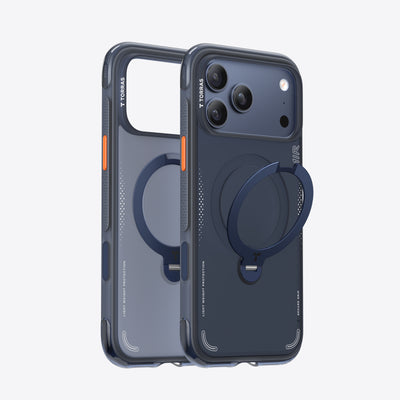
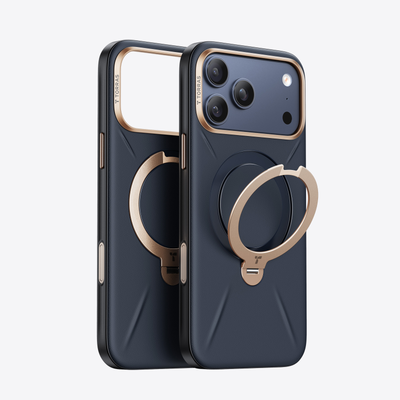
The TORRAS Guardian-Mag series uses TPU construction with targeted shock-absorbing chambers in the corners—often called airbag technology—to slow the phone’s momentum without adding noticeable thickness. These chambers compress on impact, dissipating energy before it reaches the frame or screen. Raised lips around the camera and display maintain clearance even on the protruding 2026 lens arrays, addressing the exact vulnerability slim silicone leaves exposed.
In practice, the Guardian-Mag stays comfortable in a front pocket during a full day of travel and keeps its grip after months of use. The matte finish resists fingerprints and oils better than glossy silicone, so it still looks fresh when you pull it out in a meeting or while capturing photos outdoors. For anyone tired of replacing cases or worrying about repair costs, this approach bridges the gap between official aesthetics and daily durability. Check the Guardian-Mag for iPhone 16 Pro Max or similar models in the MagSafe Case collection to see how the design performs in your routine.
Our TPU vs Silicone Phone Cases guide explores these material differences in more detail, while the Military Grade Phone Case Protection Explained article breaks down what the testing numbers actually mean for everyday drops.
Decision Matrix: Apple Silicone Case vs. Engineered TPU Protection
Your daily routine usually decides which case makes sense. If you mainly use the phone at a desk, take it to quiet meetings, and rarely risk hard-surface drops, the official Apple Silicone Case delivers the exact color-matched look and soft feel many prefer. It handles light use well and pairs perfectly with MagSafe chargers in controlled environments.
Switch to an engineered option like the TORRAS Guardian-Mag when your days involve crowded trains, outdoor photography on uneven ground, or frequent one-handed operation. The added structural strength and deeper camera protection become valuable the moment you step onto a platform or set the phone down on a rough surface. Avoiding even one $699 repair easily offsets the cost of a more capable case.
Consider how the phone travels with you. A case that peels and loses tension after half a year creates unnecessary frustration during travel or long workdays. In contrast, TPU designs that maintain their shape and grip support a more carefree routine without forcing you into bulky rugged styles. Read our Best Cell Phone Case for Drop Protection for more real-world testing insights and the What is Airbag Technology in a Phone Case article to understand how those corner chambers work in practice.
Do Silicone Cases Provide Enough Camera Protection for New iPhones?
Newer iPhone models feature larger camera modules with sensitive moving parts. Silicone cases often lack the raised lip depth needed to keep these lenses from touching flat surfaces during drops. Engineered cases with at least 4.8 mm of effective bezel height offer a safer margin, especially for variable aperture hardware that can cost hundreds to repair.
How Long Do Apple Silicone Cases Typically Last Before Peeling?
Daily use with skin oils, pocket friction, and frequent removal usually causes visible peeling between four and eight months. The outer silicone layer separates from the inner structure, reducing both appearance and grip. TPU alternatives resist this degradation better because their chemical bonds hold up longer under repeated mechanical stress.
Is Military-Grade Testing Necessary for Everyday Phone Drops?
MIL-STD-810H Method 516.8 involves multiple drops from defined heights onto hard surfaces, replicating the accidents that happen during commuting or travel. For users who drop their phone a few times per year, this testing level removes guesswork and reduces the chance of costly screen or camera repairs.
What Makes TPU Better Than Silicone for One-Handed Use?
TPU maintains consistent surface friction even after months of carry, while silicone becomes slick as it wears. The firmer structure also prevents the phone from shifting inside the case when you adjust your grip quickly on a moving train or while walking with bags.
Should I Choose a Slim Case or One With Raised Camera Lips?
If you frequently place your phone face-down on tables, counters, or outdoor surfaces, raised lips of at least 4.8 mm protect the protruding lenses from direct contact. Slim silicone designs that prioritize pocket thinness often leave the camera vulnerable, increasing repair risk on 2026 models.

 New
New


Becca Farsace
Emmy-winning filmmaker and creator Becca Farsace takes tech outside. A former senior video producer at The Verge, she has created and produced over 250 videos, becoming the first staffer to surpass 6.5 million views on TikTok. Now a full-time tech creator, she's built a go-to YouTube channel for adventurous, real-world tech reviews. Becca blends cinematic storytelling with a sharp strategic lens to help brands and audiences connect with technology in a more human, compelling way.