


iPhone 15 Screen Protectors
The iPhone 15 series has two surfaces that meet daily contact in different ways. The screen takes every tap, swipe, and wipe, while the raised camera area meets tables, pockets, and bags whenever the phone is set down or carried.
This collection covers both areas with clear screen glass and lens protection. The selection starts with touch and clarity, then moves into installation, fingerprint control, and camera coverage for the Pro models.

Clear Screen Glass
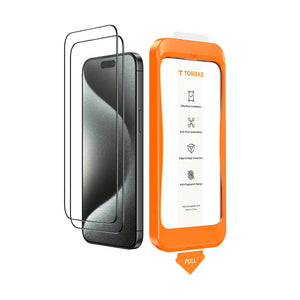
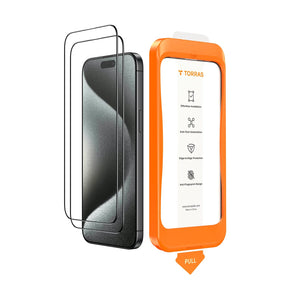
GlassGo Screen Protector for iPhone 15 Pro Max, GlassGo Screen Protector for iPhone 15 Pro, and GlassGo Screen Protector for iPhone 15 use shatterproof tempered glass with 0.71mm thickness. The glass is thin enough to keep touch response close to the screen while adding a protective layer over the display.
The clear finish matters during normal phone use. A message, photo, or map still needs clean color and readable detail after the protector is installed, especially when the screen is checked under indoor light and bright outdoor glare.
Clean First Placement
The GlassGo protectors use Shin-Etsu anti-fingerprint coating, so the surface is easier to wipe after swipes and typing. That coating becomes noticeable during the day, when the phone moves from a pocket to a desk and the screen is checked without cleaning it first.
Installation also affects how new the screen looks after the first attempt. Electrostatic dust removal, dust-free placement, bubble-free application, and a tested success rate above 99% help the protector sit down cleanly instead of leaving specks under the glass.


Camera Area
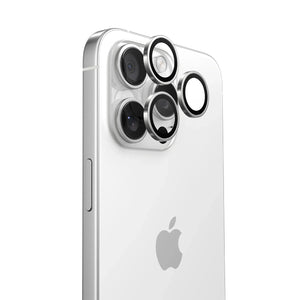
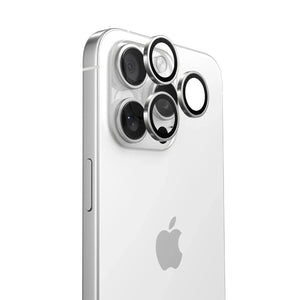
The camera area needs a different kind of coverage because it rises from the back of the phone. Lensguard Camera Protector for iPhone 15 Pro Max and Lensguard Camera Protector for iPhone 15 Pro cover the lens area where table contact and small scratches tend to happen first.
The Blue lens guard makes that protected area visible, while the product structure is meant to work with a phone case rather than compete with it. When the phone is placed camera-side down, the lens area has its own layer instead of relying only on the case edge.


