When choosing between folio vs shell cases, pick a folio if you want a cover over the screen while closed and do not mind flipping it open each time. Pick a back-shell case if you check your phone frequently and want the screen immediately accessible.
Neither style fits everyone. The right choice depends on your daily carry habits and the specific construction of the case you buy.
Folio or Back-Shell: Which Fits Your Everyday Carry?
The basic difference is simple: a folio covers the display when closed, while a back-shell protects the back and sides while keeping the screen immediately open. With a shell, display defense relies on case-edge contours and whether you pair it with a separate protector.
That front flap changes how you use the phone all day. With a folio, you add one step before touching the screen: open the cover, then unlock. Some people like that pause, and some people want the screen covered while the phone sits in a bag or on a desk. With a back-shell case, you can pull the phone out, glance at a notification, and put it back without opening anything.
So here's a simple test. If a closed cover over the display matters more to you than instant access, a folio fits. If you check your screen dozens of times on a commute or between meetings, a back-shell will probably bother you less. Just keep in mind that the case type alone doesn't tell you how well a particular case protects the phone. That depends on the case itself.

If you're also deciding how much bulk you'll tolerate, our guide to thin vs rugged cases covers the protection level you're likely to keep using every day.
Run the Choice Through Your Daily Routine
Before you commit, picture a normal weekday and ask a few questions about the case you're looking at:
- One-handed checks: Do you read texts or scan transit cards while holding a coffee or a train rail? Try opening that specific folio cover with one hand. Some flaps fold back easily and some don't. If the motion feels awkward, you'll feel it many times a day.
- Pocket carry: Don't assume a shell is always slimmer or a folio always bulkier. Look up the exact case's closed dimensions and compare them with the jeans or jacket pocket you actually use.
- Commuting: Think about where the phone sits during your trip. A covered screen can be appealing if the phone shares a bag with keys. Fast access matters more if you're tapping through maps or tickets on the move.
- Car mounts: Don't guess mount fit from the case type. Confirm that the exact case works with your mount, especially if a flap has to fold out of the way. Our car mount setup guide walks through pairing a case with a MagSafe mount.
- Long-term wear: A front cover gets opened and closed all day, so it's another part that ages. If you're thinking about materials or how a case holds up against stains, check what the maker says about that particular model instead of assuming it from the case type.
If you want quick screen access plus a way to prop the phone up, a stand case is another route. Our slim stand case guide explains how that setup handles one-handed use and pocket carry.
Check the Exact Case Before You Buy
The label "folio" or "shell" is where you start, not a promise of anything. Look at the exact model's construction, how much of the display it covers, its dimensions, and how its front edge is designed.
For folios, start with the closure. Folio closures and layouts vary: some use a magnetic clasp, others a physical latch, and some have a front slot so you can take calls without opening the cover. Those are examples, not features every folio has. Read the product details or manual to see how your cover stays shut and what you can do with it closed. A closed cover also doesn't guarantee scratch or drop protection. That depends on how the case is built.
For back-shell cases, the front edge does a lot of the work. In iPhone 16 case guidance, a raised lip can help prevent scratches when the phone is set down screen-side down. That's a helpful detail to look for, not a guarantee, and it comes from guidance for that phone family. On any model, check whether the case's edge actually rises above the display.
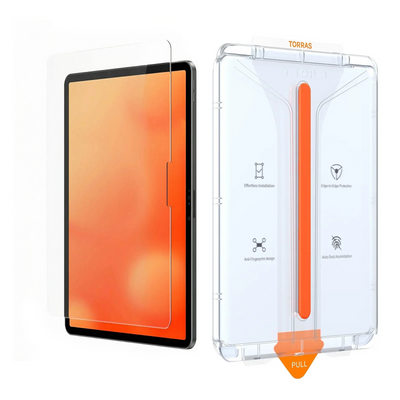
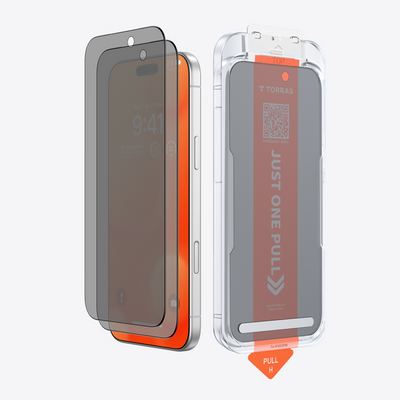
If you plan to add a screen protector, check that it clears the case edge so the edge doesn't lift it. Our case-friendly screen protector guide covers sizing and alignment. Once you know which style you want, you can compare our phone case options against your exact phone model, your pocket, and your mount.
FAQs
Is a folio case better for protecting my screen?
Not automatically. A folio covers the display when it's closed, but how well it protects depends on that case's construction. When the cover is open, the screen is just as exposed as it is in any other case.
Do I need a screen protector with a back-shell case?
It's up to you. A shell leaves the front open, so the display relies on the case edge design. Some people add a protector for extra coverage. If you do, make sure it fits inside the case edges.
Can I use a folio case with a car mount?
Sometimes, but it depends on the specific case and mount. Check the exact case's compatibility and how the cover sits when the phone is mounted before you count on that setup.
Is a back-shell case always slimmer than a folio?
Don't assume it is. Compare the closed dimensions of the exact cases you're considering, then try them in the pocket you use most.

 New