




Ultra-Clear Tempered Protectors for iPhone
An iPhone screen and camera lenses are often the first surfaces to meet keys, desks, and other hard objects. A useful protector should reduce everyday scratch and impact exposure without creating an obvious tradeoff in display clarity, touch response, or camera use.
This collection covers screen and camera protection for iPhone 15 Pro, iPhone 15 Pro Max, iPhone 16 Pro, and iPhone 16 Pro Max. The practical starting point is simple: decide which exposed area needs protection, then match the protector to the exact phone model.

Clarity and Touch Still Come First
A screen protector adds more than a layer of glass. Coverage, coating, and fit can all affect how the display looks and feels. OrigArmor Screen Protector for iPhone 16 Pro Max uses shatter-resistant tempered glass with triple ion exchange and 9H+ hardness.
Its Tora-Silk coating is designed to resist fingerprints and scratches, while the 3D curved coverage follows the screen edges and maintains responsive touch. For a phone carried beside keys or other hard items, coating quality and edge fit can matter as much as the hardness figure itself.
Camera Protection Must Match the Model
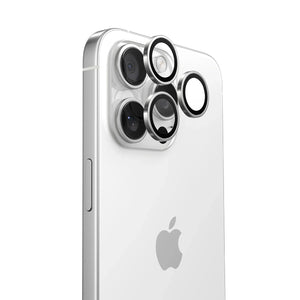
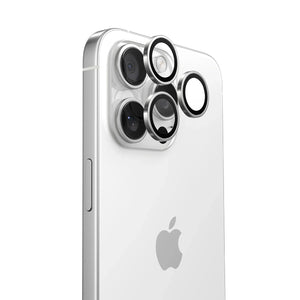
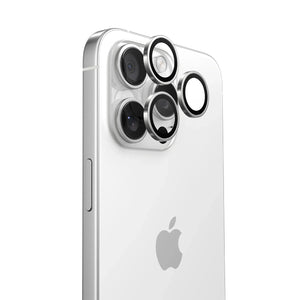
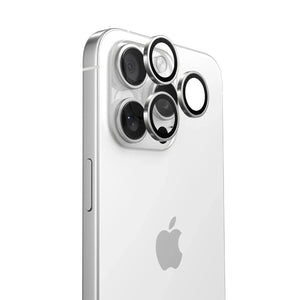
Camera layouts change between iPhone models, so a lens protector should not be chosen by color or appearance alone. Lensguard Camera Protector for iPhone 16 Pro Max and Lensguard Camera Protector for iPhone 16 Pro are shaped for their respective camera modules.
For the previous generation, Lensguard Camera Protector for iPhone 15 Pro Max and Lensguard Camera Protector for iPhone 15 Pro provide model-specific full lens coverage. Exact compatibility should come before finish or color.


Installation Affects Everyday Results
Even good glass can feel wrong when it is misaligned or applied over trapped dust. OrigArmor includes an InstaFit alignment tool to make placement more controlled and reduce the chance of an off-center installation.
The same care applies to camera protectors. Cleaning the lens area before installation helps the protector sit evenly, and checking the camera view afterward confirms that nothing interferes with normal use. Clean preparation and accurate placement are more useful than adding extra layers without a clear need.
Choose by Exposure, Not by Feature Count
Choose a screen protector when the display and its edges are the main concern. Choose a Lensguard camera protector when the camera module regularly touches desks or shares a bag with hard objects. The two product types protect different areas, so they can be considered separately.
If a case already raises the camera well above flat surfaces, an additional lens protector may be less urgent. If the display is frequently exposed, screen coverage and installation quality may deserve priority. The best choice is the one that addresses the phone's real contact points without adding features that do not improve daily use.


