
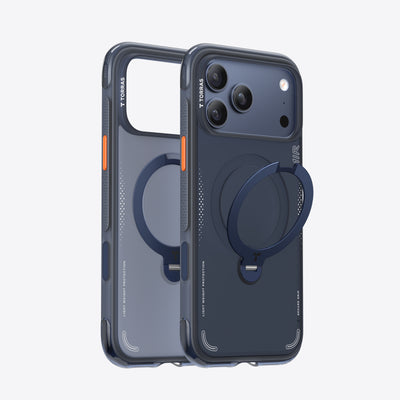
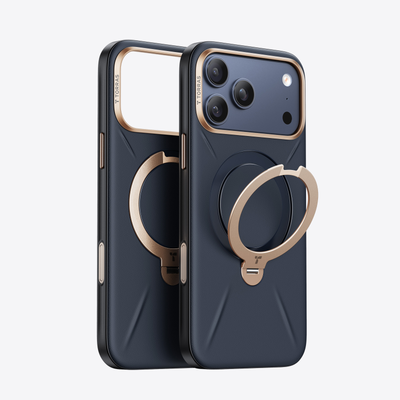

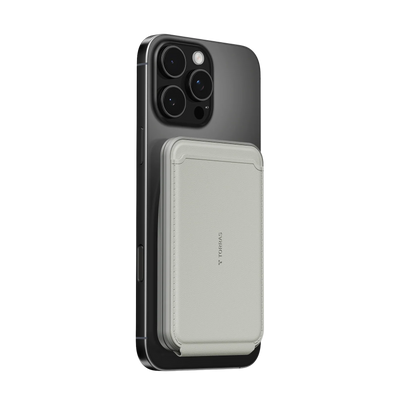


In 2026, the best iPhone case with stand combines slim protection with a flush-mount design that supports both vertical scrolling and horizontal viewing without bulk or charging interference. Flush-mount zinc-alloy stands maintain tension far longer than plastic alternatives and keep MagSafe performance near full speed, making them the practical upgrade for remote workers, commuters, and anyone living in StandBy mode.

Why Your Phone Case Needs a Stand in 2026
Most of us now use our phones for long video calls, vertical TikTok sessions, and as a bedside clock in StandBy mode. Propping the phone against a mug or balancing it on a laptop often ends with it sliding or forcing you to hold it at an awkward angle that strains your neck after ten minutes. An integrated stand solves that in one piece of gear you already carry.
Remote professionals rely on stable hands-free viewing during Zoom calls from coffee shops or airport lounges. Social media users switch constantly between vertical Reels and horizontal Netflix on flights. Travelers appreciate not packing a separate tablet stand. In each case, the stand must stay rigid, support the heavier Pro Max models, and not interfere with wireless charging or MagSafe battery packs.
The shift from protection-only cases to utility-first designs reflects how we actually use our phones. StandBy mode, which turns the locked iPhone into a glanceable smart display when charging horizontally, has become a daily driver for many. Without a reliable stand, that feature loses much of its convenience.
The 2.1mm Barrier: Why Flush-Mount Stands Win
Apple’s Accessory Design Guidelines specify that MagSafe-compatible cases should not exceed a maximum thickness of 2.1mm to ensure reliable magnetic attachment and charging performance. Exceeding that limit often drops charging from 15W to 7.5W or lower and weakens the magnetic connection enough that accessories detach easily.
Protruding kickstands create a lever effect that tilts the phone off the charger, introducing an air gap that reduces efficiency. Flush-mount designs hide the stand mechanism inside the magnetic ring itself, keeping the back nearly flat. This approach maintains full MagSafe alignment and lets you stack wallets or battery packs without removing the case.
Look for N52-grade magnets that compensate for the slight added material of the stand. Cases that meet the 2.1mm threshold while still offering a stable stand feel noticeably more seamless in daily use. Anything thicker usually forces a compromise you notice every time you charge.
360-Degree Rotation: Solving the Vertical vs. Horizontal Dilemma
Fixed-angle stands work for one orientation but fail when you switch from vertical FaceTime to horizontal video. A 360-degree rotating ring stand lets you spin the phone instantly and lock it at any angle, which proves useful when you move between content types throughout the day.
Ergonomic research suggests that a 45 to 60-degree viewing angle is ideal for reducing neck strain during prolonged video consumption, whether in vertical or horizontal modes. The best rotating stands reach that sweet spot easily and hold position even on slightly uneven surfaces like airplane trays.
In practice, the rotation feels most valuable during commuting or travel. You can set the phone vertically for quick glances at notifications, then rotate it horizontal for a movie without readjusting your seating position. Dual-axis hinges also spread mechanical wear more evenly, which helps longevity.
Evaluating Durability Beyond the Hinge
Hinge floppiness after six to twelve months remains the most common regret with stand cases. Plastic hinges lose tension quickly, especially when exposed to pocket lint, keys, or repeated one-handed pocket pulls. Zinc alloy or stainless steel hinges maintain their initial torque far longer and resist the “flop” that renders the stand useless.
To meet MIL-STD-810H Procedure IV standards, a case must protect a device through 26 drops from heights of 4 to 5 feet onto hard surfaces, covering all faces, edges, and corners. This gives a useful benchmark for overall protection, but the hinge itself needs separate attention. Look for explicit zinc-alloy construction and, ideally, a lab certification of at least 3,000 open-close cycles for two-year reliability in daily use.
Raised lips around the screen and camera are equally important. The stand should not reduce that protective height. Soft-touch finishes help the case stay grippy during one-handed use on public transit, while matte textures resist visible stains better than glossy ones over months of pocket carry.
The chart below helps visualize typical durability patterns by hinge material in everyday conditions.
Hinge Durability Tier by Material
Typical durability tiers for daily-use hinges. Higher tiers generally indicate better long-term stability, especially when certification or reinforced designs are specified.
View chart data
| Category | Plastic | Zinc alloy | Reinforced / stainless zinc |
|---|---|---|---|
| Entry | 1.0 | 0.0 | 0.0 |
| Pro | 0.0 | 2.0 | 0.0 |
| Elite | 0.0 | 0.0 | 3.0 |
The Best iPhone Case with Stand for 2026: Feature Breakdown
For minimalists who want the thinnest possible profile, the Ostand Q3 Air for iPhone 16 Pro Max delivers a flush-mount stand that barely adds thickness while still offering solid drop protection. It pairs nicely with MagSafe chargers and battery packs and feels secure in a front pocket.
Power users who switch between vertical social media and horizontal video benefit from the Ostand Q3 Spin for iPhone 16 Pro Max. The 360-degree rotating ring clicks into place with noticeable detents and uses stronger magnets that hold the heavier Pro Max model steady even on softer surfaces.
Travelers who need extra ruggedness should consider models from the iPhone 17 Pro collection that combine military-grade drop ratings with integrated stands. These maintain the raised camera and screen lips that protect the new larger camera bumps.
If you want broader context on everyday usefulness, our guide on why a phone case with stand is worth it for everyday use shares real observations from commuting and desk work. For those comparing options, the article on phone stand vs iPhone case with stand highlights the portability advantage of an always-attached solution.

Buyer’s Checklist: How to Choose Your Next Stand Case
Start by confirming true MagSafe alignment rather than generic “compatible” labeling. Hold the case near a charger—if it snaps firmly without wobble, it will likely maintain 15W speeds.
Verify the hinge uses zinc alloy rather than reinforced polymer. Feel the initial tension; a quality hinge should require noticeable effort to move and should not flop forward under the weight of a Pro Max.
Test horizontal stability for StandBy mode. Place the phone on a few different surfaces, including slightly soft ones, and check whether the stand maintains the required tilt without sliding. A 360-degree design gives you far more flexibility here.
Finally, confirm at least a 12-foot drop rating and raised edges that clear the newest camera modules. These details matter more than marketing claims once the case lives in your pocket or bag for months.
Choosing carefully now avoids the common frustration of replacing a case after the stand loosens. A well-engineered integrated stand can genuinely replace both a separate phone holder and a tablet prop for many daily situations.
Do Stand Cases Interfere with MagSafe Accessories?
Most flush-mount designs maintain strong enough magnetic alignment to stack a MagSafe wallet or battery pack without issue. Protruding kickstands are more likely to create tilt that weakens the connection. Always test your specific accessory combination, as case thickness and magnet grade both play a role.
How Many Cycles Can a Quality Hinge Survive?
Lab testing often rates metal hinges for several thousand open-close cycles. Real-world durability depends on pocket debris and usage habits. Zinc-alloy hinges typically remain firm for well over a year of daily use, while plastic versions often loosen noticeably sooner. Look for explicit material statements rather than vague “durable hinge” claims.
Will a Stand Case Still Work With Car Mounts?
Yes, provided the mount uses magnetic attachment. The integrated ring often improves alignment on vent or dashboard mounts compared to a naked phone. Avoid adhesive mounts that could be blocked by the stand mechanism when closed.
How Do I Clean the Hinge Without Damaging It?
Use a dry soft brush or compressed air to remove lint from the hinge pivot points weekly. Avoid liquids near the mechanism, as they can attract more debris over time. A quick wipe with a microfiber cloth keeps the exterior looking new without affecting tension.
Is the Stand Stable Enough for Bedside StandBy Mode?
On hard nightstands, most quality stands hold the horizontal tilt required for StandBy without issue. On softer mattresses or pillows the phone may settle, so test placement first. A wider footprint on the stand helps on uneven surfaces.
Does the Stand Add Noticeable Bulk in a Pocket?
Flush-mount designs add minimal thickness compared to a separate pop socket or wallet. The Ostand series, for example, keeps the overall profile slim enough for most front-pocket carry while still providing a stable viewing angle when needed.

 New
New


Becca Farsace
Emmy-winning filmmaker and creator Becca Farsace takes tech outside. A former senior video producer at The Verge, she has created and produced over 250 videos, becoming the first staffer to surpass 6.5 million views on TikTok. Now a full-time tech creator, she's built a go-to YouTube channel for adventurous, real-world tech reviews. Becca blends cinematic storytelling with a sharp strategic lens to help brands and audiences connect with technology in a more human, compelling way.