

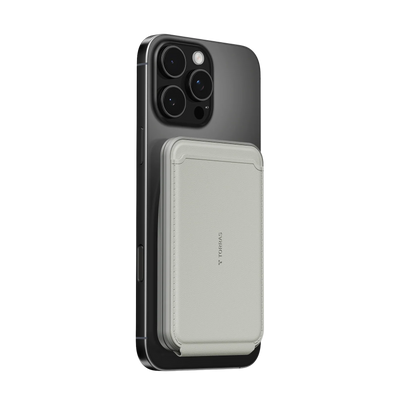


Most iPhone users assume MagSafe wireless charger and standard wireless charging are the same thing at different speeds. They're not. The gap between the two goes deeper than numbers, starting with how the charger finds the phone in the first place. If you've ever set your phone on a wireless pad and woken up to a dead battery, you already know what misalignment costs. Here's what actually separates the two technologies and why it matters about how you charge every day.
Quick Comparison
| Feature | MagSafe Wireless Charging | Standard Qi Wireless Charging |
| Alignment | Automatic magnetic alignment | Manual placement needed |
| Charging Speed | Up to 25W (with compatible devices) | Up to 7.5W on iPhone |
| Case Compatibility | Requires a MagSafe-compatible case for optimal use | Works with any standard case |
| Accessory Support | Supports magnetic accessories (wallets, mounts, etc.) | Limited accessory compatibility |
| Efficiency | Higher efficiency with consistent alignment | Efficiency drops if phone is misaligned |
How MagSafe Wireless Charging Works Differently From Standard Qi
Standard Qi wireless charging
- Works through electromagnetic induction.
- A charging coil in the pad transfers energy to a receiving coil in the phone.
- Works well when the two coils are aligned.
However, Qi has no mechanism to ensure alignment:
- If the phone is placed slightly off-center, charging efficiency drops.
- If the phone is placed too far off, charging stops completely without any alert.
MagSafe wireless charging
- Solves the alignment issue with a ring of magnets built into the back of the iPhone.
- When a MagSafe charger or compatible accessory comes near, the magnets automatically snap the phone into the correct position.
- This ensures perfect coil alignment every time, without the user having to think about placement.

MagSafe Charger Speed vs Standard Qi on iPhone
Magnetic alignment unlocks more than convenience. It also enables higher sustained charging speeds, because a perfectly aligned coil transfers energy more efficiently than one that's slightly off.
The table below summarizes how the two technologies compare on current iPhone models.
| Charging Method | Max Wireless Speed |
| Standard Qi | Up to 7.5W on iPhone |
| MagSafe | Up to 25W on iPhone 16 and later |
| Qi2 certified charger | Up to 25W on compatible iPhones |
These numbers reflect ideal conditions with a compatible charger. The key takeaway is that MagSafe and Qi2 deliver meaningfully faster wireless speeds than standard Qi, not because of a different power source, but because consistent alignment allows the full charging rate to be maintained throughout the session.
Standard Qi charging can sometimes be less reliable in practice if the phone is moved during charging, but newer technologies like Qi2 are designed to provide a more consistent charging experience.
What MagSafe Means for Your iPhone Case and Daily Setup
This is where the Apple MagSafe wireless charger ecosystem directly affects what case you should choose.
An iPhone with a standard non-magnetic case placed on a MagSafe charger will still charge, but the magnetic snap and alignment benefit only work correctly when the case itself includes a compatible magnet ring or is built from materials that don't disrupt the magnetic field. While thicker or non-compatible cases may affect magnetic alignment, Ostand Q3 Air works best with a MagSafe-compatible case to ensure optimal performance. However, it can still function with most standard cases for general charging needs.
A MagSafe-compatible case solves this in two ways. First, it allows the charger to snap and align correctly through the case. Second, it opens up the magnetic accessory ecosystem, meaning wallets, stands, and car mounts can attach directly to the case without needing to remove it.
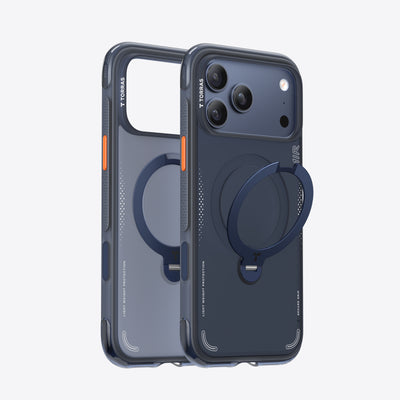
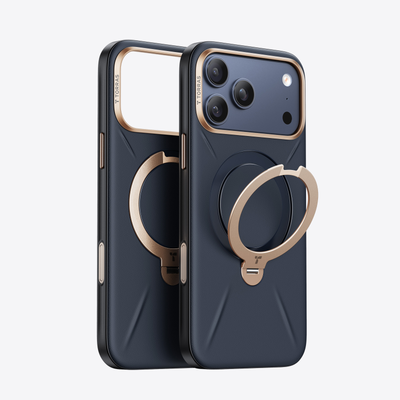
For everyday use, the practical value is straightforward. A MagSafe-compatible case with a built-in 360-degree rotatable stand, for example, covers both the accessory attachment and hands-free use cases in a single product. This MagSafe-compatible stand case for iPhone 17 Pro is one option that pairs magnetic alignment with a slim, rotatable design for desk and on-the-go use.

How MagSafe Accessories Enhance Your Charging Experience
The magnetic alignment system does more than improve charging. It created an entire category of accessories that attach, detach, and reattach to the back of the phone in seconds.
The main types of MagSafe-compatible accessories include:
- Magnetic wallets: Snap directly to the back of the phone or case, carrying cards without adding permanent bulk
- Car mounts: Attach to a vent or dashboard mount magnetically, holding the phone securely during navigation without a clamp or cradle
- Portable battery packs: Snap to the back of the phone and charge wirelessly on the go, without a cable
- Desk stands: Prop the phone at an angle for video calls, media, or reference, and detach in one motion
These accessories all work seamlessly because the magnetic ring ensures the phone stays perfectly aligned each time. Without this alignment, the attachment strength and accessory functionality wouldn’t be reliable enough for everyday use.
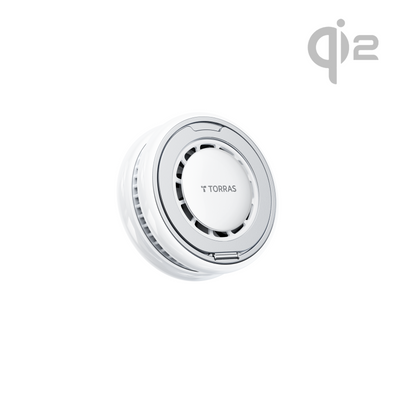
When it comes to charging, a Qi2-certified wireless charger with low-temperature charging technology ensures the phone stays at a stable temperature during fast charging, helping maintain battery health over time. PolarCircle Qi2 is designed around that principle, combining Qi2 alignment with active temperature management for a more consistent charging experience.
How to Choose Between a MagSafe Wireless Charger and Standard Qi for Your Routine
Standard Qi charging works well for users who charge overnight on a nightstand, set the phone down carefully in the same spot each time, and don't use magnetic accessories. It's a functional option when the alignment limitations don't affect the use pattern.
MagSafe or Qi2 charging makes more sense when:
- You charge a pad during the day and pick the phone up frequently
- You use or plan to use magnetic accessories like wallets, mounts, or battery packs
- Charging speed matters, and you want the full wireless rate reliably
- You want the confidence of knowing the phone is charging every time you set it down
For most active iPhone users, the combination of a MagSafe-compatible case and a Qi2-certified charger covers all of these scenarios. The case handles accessory compatibility and alignment, and the charger handles speed and temperature management. Together, they make wireless charging genuinely reliable rather than something to check on.

Charge Smarter With the Right Setup
The difference between a MagSafe charger and a standard Qi charger comes down to one thing: alignment. Magnetic alignment is what makes MagSafe faster, more consistent, and the foundation of a broader accessory ecosystem. Once you understand that, the value of a MagSafe-compatible case and a Qi2-certified charger becomes straightforward. Get the setup right, and wireless charging works the way it always should have.
FAQs
Q1. What Does MagSafe Mean on an iPhone?
MagSafe refers to Apple's magnetic alignment system built into iPhones from iPhone 12 onward. It uses a ring of magnets in the back of the phone to snap MagSafe chargers and accessories into the correct position automatically. The term covers both the charging standard and the broader ecosystem of magnetic accessories that attach to it.
Q2. Does a MagSafe Wireless Charger Work With Any iPhone?
A MagSafe charger will charge any Qi-compatible iPhone, but the magnetic snap alignment and full fast-charging speeds only apply to iPhone 12 and later models that have the built-in magnet ring. On older iPhones without MagSafe, the charger functions as a standard Qi pad without the alignment or speed benefits.
Q3. Do I Need a Special Case to Use a MagSafe Charger?
No special case is required for the charger to work, but a MagSafe-compatible case ensures the magnetic snap functions correctly and allows the full accessory ecosystem to work through the case. Cases that disrupt the magnetic field or add significant thickness between the phone and charger can reduce alignment reliability and charging efficiency.
Q4. What Is the Difference Between MagSafe and Qi2?
MagSafe is Apple's proprietary magnetic wireless charging system, while Qi2 is an open standard developed with Apple's involvement that brings the same magnetic alignment technology to a wider range of devices and chargers. On compatible iPhones, a Qi2-certified charger delivers the same magnetic alignment and fast-charging performance as a MagSafe charger.

 New
New


Becca Farsace
Emmy-winning filmmaker and creator Becca Farsace takes tech outside. A former senior video producer at The Verge, she has created and produced over 250 videos, becoming the first staffer to surpass 6.5 million views on TikTok. Now a full-time tech creator, she's built a go-to YouTube channel for adventurous, real-world tech reviews. Becca blends cinematic storytelling with a sharp strategic lens to help brands and audiences connect with technology in a more human, compelling way.