
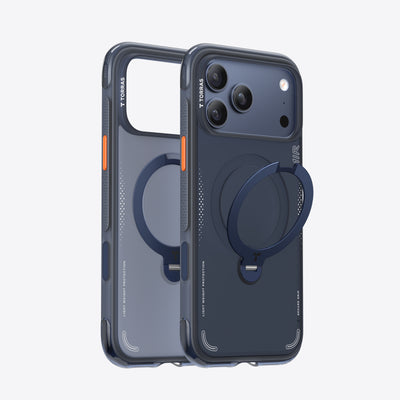
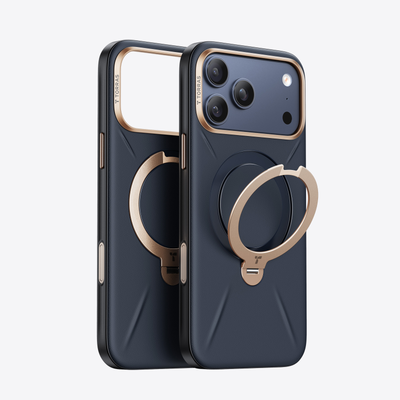

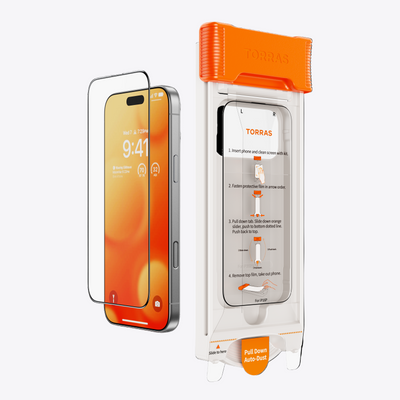
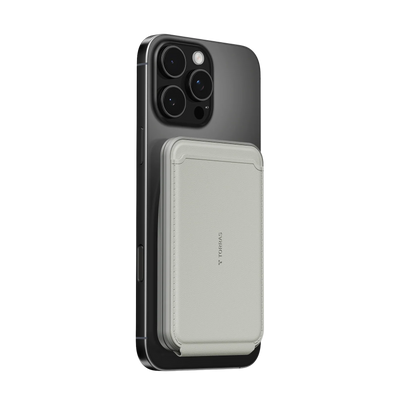


“Most protective” appears on countless phone case product pages, but real protection depends on more than a bold claim. A protective phone case should combine drop-tested design, raised edges, reinforced corners, shock-absorbing materials, and comfortable grip. Instead of looking for one perfect number, it is better to understand how these design details work together to protect your phone in daily life.
Drop Protection: What the Rating Can Tell You
Drop protection is one of the first details people check when buying a phone case. A higher drop rating can be useful, but the number alone does not tell the whole story. Real-world protection also depends on case structure, corner design, materials, and how the phone lands.

Why Drop Conditions Matter
A phone dropped on concrete faces a harder impact than one dropped on carpet, wood, or padded flooring. That is why drop ratings should be treated as helpful references rather than the only proof of protection.
When comparing protective phone cases, look for signs such as:
- Drop-tested protection
- Military-grade drop protection
- Reinforced corners
- Shock-absorbing edges
- Raised bezels around the screen and camera
- Durable material construction
These details give a more complete view of how the case is designed to handle everyday accidents.
Why Corner Protection Is Important
Corners are often the most vulnerable areas during a drop. When a phone lands on a corner, the impact force concentrates on a smaller area, which can increase the risk of damage.
That is why many of the most protective phone cases use:
- Air-cushion corners
- Reinforced corner bumpers
- Flexible shock-absorbing edges
- Hybrid material structures
- Raised edges around fragile areas
A case with thoughtful corner protection can help reduce impact risk without needing to feel overly bulky.
Raised Edges: Small Details That Protect the Screen and Camera
Raised edges, also called raised bezels, help keep the screen and camera from touching flat surfaces directly. This matters when the phone is placed face-down, slides across a desk, or lands on a flat surface.
For better everyday protection, look for:
- A visible raised screen edge
- Raised camera guard
- Full camera cutout protection
- A case edge that sits slightly above the screen
- A camera frame that helps reduce direct lens contact
These details are especially important on newer phones with larger camera modules and edge-to-edge displays.
What Military-Grade Drop Protection Can Tell You
Military-grade drop protection can be a useful signal when choosing a protective case. It usually means the case has been designed or tested to handle drops and impact better than a basic thin shell.
However, it should not be the only thing you check. A strong protective case should also show visible design support, such as:
- Reinforced corners
- Shock-absorbing materials
- Raised screen edges
- Camera protection
- Secure grip
- Durable frame structure
In other words, military-grade protection is most helpful when it is supported by practical design details you can actually see and use.

Material Structure: How Phone Cases Absorb Impact
Different materials protect in different ways. A good protective phone case uses material structure, corner design, and raised edges together to reduce everyday drop risk.
TPU
TPU is flexible and commonly used around the edges of protective cases. It helps absorb impact and makes the case easier to grip.
Polycarbonate
Polycarbonate, often called PC, is more rigid. It can help maintain structure and resist bending, especially on the back panel or frame.
Silicone
Silicone offers a soft-touch feel and good grip. It can be a practical option for users who want comfort and slip resistance.
Aramid Fiber
Aramid fiber is often used in slim protective cases because it is lightweight and strong. It can help create a thinner case while still adding structure.
Hybrid Materials
Hybrid cases combine different materials to balance protection, grip, and weight. For example, a case may use a rigid back, flexible edges, and reinforced corners to improve everyday protection.
No single material is automatically best for everyone. The right choice depends on whether you care most about slimness, grip, drop protection, style, or overall hand feel.
Protection Features Compared
The most protective phone cases usually combine several design details instead of relying on one single claim. The table below breaks down the key protection features worth checking before you buy.
|
Protection Feature |
Why It Matters |
What to Look For |
|
Drop Protection |
Helps reduce damage from everyday falls |
Drop-tested or military-grade protection |
|
Raised Screen Edges |
Helps reduce direct screen contact |
Visible raised bezel |
|
Camera Protection |
Helps protect the camera area |
Raised camera guard or reinforced camera frame |
|
Corner Protection |
Corners often take the hardest impact |
Reinforced corners or air-cushion design |
|
Material Structure |
Affects grip, weight, and shock absorption |
TPU, PC, silicone, aramid, or hybrid construction |
|
Grip |
Helps reduce drops before they happen |
Textured, soft-touch, or non-slip surface |
|
Case Fit |
Keeps protection stable during impact |
Precise cutouts and snug phone fit |
A case that covers most of these features is more likely to hold up in the drops and accidents that happen in real daily use.
How to Choose the Most Protective Phone Case for Daily Use
The best case is not always the thickest one. A well-designed case should protect the phone while still feeling comfortable enough to use every day.
Before buying, check these details:
- Drop-Tested Design: Look for product descriptions that mention drop-tested or military-grade protection.
- Raised Screen and Camera Edges: Make sure the case helps reduce direct contact with flat surfaces.
- Reinforced Corners: Corner protection is especially important because many drops happen at an angle.
- Shock-Absorbing Materials: Flexible edges, air-cushion structures, and hybrid materials can help absorb everyday impact.
- Comfortable Grip: A case that is easier to hold can help prevent drops before they happen.
- Balanced Thickness: Protection matters, but the case should still fit your pocket, hand, and daily routine.
- Compatibility With Accessories: If you use wireless charging, MagSafe accessories, car mounts, or screen protectors, make sure the case supports your setup.

Slim vs. Heavy-Duty: Which Protective Case Should You Choose?
Different users need different levels of protection. A slim protective case can work well for careful daily use, while a heavier-duty case may be better for people who work outdoors, travel often, or drop their phones frequently.
Choose a Slim Protective Case If You Want:
- Lightweight daily protection
- Better pocket comfort
- A cleaner phone profile
- Easier one-handed use
- Basic protection against scratches and minor drops
Choose a More Protective Case If You Want:
- Stronger corner protection
- Better drop resistance
- More secure grip
- Extra camera and screen protection
- More confidence during outdoor or active use
A slim case can still offer meaningful protection when it uses reinforced corners, raised bezels, and shock-absorbing materials. The right design matters more than thickness alone.
Find a Case That Actually Protects Your Phone
The best choice is not always the case with the biggest protection number on the page. Look for a balanced design that combines drop-tested protection, raised edges, reinforced corners, comfortable grip, and a structure that fits how you use your phone every day. A protective phone case should make your phone feel safer without making it harder to carry, hold, or use. When those details work together, the case is more likely to protect your device in the moments that matter.
FAQs
Q1. How Do You Choose the Most Protective iPhone Case Without Getting Fooled by Marketing?
Focus on practical protection details: drop-tested design, raised screen and camera edges, reinforced corners, shock-absorbing materials, and comfortable grip. A strong protective case should show how it protects the phone in daily use, not just rely on one bold claim.
Q2. What Does Military-Grade Drop Protection Mean on a Phone Case?
Military-grade drop protection usually means the case has been designed or tested to handle drops and impact better than a basic case. It is a useful signal, especially when supported by visible protection details such as reinforced corners, raised bezels, and shock-absorbing edges.
Q3. Can a Slim Case Offer Good Drop Protection?
Yes, a slim case can still offer meaningful protection when it uses reinforced corners, raised bezels, and shock-absorbing materials. Thickness alone does not decide protection quality. A well-designed slim case can balance daily protection with a lighter, easier-to-hold feel.
Q4. Why Do Corners Need Extra Protection on a Phone Case?
Corners often take the hardest hit during accidental drops. When impact lands on a small corner area, the force is more concentrated. Reinforced corners, air-cushion structures, and flexible edges can help absorb that impact and reduce the risk of damage.

 New
New


TORRAS Bot
The TORRAS Pebble Power Bank offers a balanced combination of portability, design quality, and dependable charging performance. Its unique pebble-inspired shape distinguishes it from traditional power banks while improving everyday usability.