



For most owners of 2026 flagships like the Samsung S26 or iPhone 18, tempered glass protectors deliver better everyday protection and screen clarity than TPU films, but the right pick depends on whether your priority is fast ultrasonic fingerprint unlocking, seamless curved-edge fit, or maximum impact resistance from drops.

The 2026 screen protection landscape has changed. Modern OLED and LTPO panels cost hundreds to replace, and the latest ultrasonic fingerprint sensors inside the display add another layer of complexity. What used to be a simple choice between flexible plastic film and rigid glass now involves real functional trade-offs around biometrics, touch feel during gaming, and long-term appearance after months of pocket carry or commuting.
The 2026 Screen Protection Landscape: Why Material Matters for Your Flagship
Flagship phones in 2026 pack ultra-thin, high-fidelity displays that feel almost weightless yet shatter when dropped from typical heights like a kitchen counter or car seat. Replacement screens often run $300 or more, turning a minor accident into an expensive repair. The core tension comes down to flexibility versus rigidity: thermoplastic polyurethane (TPU) films bend with the phone and absorb minor impacts differently, while tempered glass acts like a sacrificial shield that takes the hit first.
This matters more now because many 2026 models use micro-curved edges and in-display ultrasonic sensors that react poorly to uneven thickness or certain adhesives. Choosing wrong can mean slower unlocks, visible edge lifting that collects dust, or a protector that yellows and looks hazy after six months of daily use. The decision ultimately splits between people who value biometric speed in one-handed commuting situations and those who need the phone screen to look and feel pristine for photography or mobile gaming.
Impact Resistance vs. Scratch Prevention: Decoding the 9H and Mohs Metrics
When your phone slips out of your hand during a crowded commute or falls from a car mount, tempered glass usually protects the actual display better. It absorbs the shock of a drop more effectively than a flexible film, which can compress and transfer more energy to the screen underneath. Many premium options, including TORRAS GlassGo, carry military-grade drop ratings that make them reliable for high-risk environments like outdoor work or travel.
The common “9H hardness” rating often confuses buyers. As this PCMag explainer on screen protectors clarifies, 9H refers to the pencil hardness scale used to test resistance against keys, coins, and similar objects. It does not mean the protector can survive quartz sand or other minerals rated higher on the Mohs scale. Real-world experience shows tempered glass still chips at the edges over time if carried case-less in a pocket full of change.
TPU films feel softer and more forgiving on minor abrasions from daily pocket carry. They rarely crack outright but can develop deeper gouges that don’t fully recover. For most people who keep their phone in a bag or with keys, the rigid protection of glass outweighs the flexibility of TPU unless you specifically need the film’s ability to conform without cracking.
The Science of Self-Healing TPU: Why Flexible Films Still Have a Place
TPU films earn their reputation for self-healing through dynamic hydrogen bonding in the polymer structure. When a light swirl mark from keys appears, ambient warmth or gentle pressure lets the molecular chains reform and close the scratch. This ScienceDirect review of self-healing polyurethane materials details how these bonds allow recovery from micro-abrasions that would stay visible on glass.
That property makes TPU a practical choice for case-less purists who hate visible scratches but accept some trade-offs. In real use, the film stays nearly invisible on flat screens and adds almost no bulk, which feels nice during one-handed scrolling on public transit. However, the same flexible material often develops an “orange peel” texture after months of skin oils and UV exposure from outdoor use. It can also yellow slightly, especially on white or light-colored phones left in a hot car.
For people who swap phones yearly or mainly worry about keys in a pocket, a quality TPU film remains useful. Just don’t expect it to survive the same drop heights that tempered glass handles routinely.
Does Tempered Glass Affect Touch Sensitivity and Biometric Accuracy?

Many Samsung S26 and similar 2026 flagship owners notice slower fingerprint unlocks or more false negatives after installing a thick protector. Ultrasonic sensors send sound waves through the glass to map your fingerprint in 3D. Anything thicker than roughly 0.2 mm or with uneven adhesive can distort those waves and add noticeable lag.
This chart visualizes the decision boundary that matters most for biometric users:
Biometric Latency vs. Protector Thickness
Ultrasonic fingerprint sensors typically hold peak performance below 0.2 mm; beyond that point, latency risk rises and touch sensitivity can drop. This visual is best read as a decision boundary, not an exact measurement curve.
View chart data
| Category | Lower Bound | Upper Bound |
|---|---|---|
| 0.0-0.2 mm | 0.0 | 0.2 |
| Above 0.2 mm | 0.2 | 0.4 |
The safe zone sits clearly under 0.2 mm for ultrasonic sensors. Thicker tempered glass often requires you to re-register fingerprints after installation, and even then some users report occasional misses during sweaty gym sessions or while wearing gloves. Face ID systems tend to be less sensitive to thickness, giving iPhone users more flexibility.
Premium coatings like the Tora-Silk finish on TORRAS GlassGo help restore a smooth, low-friction feel that many mobile gamers prefer over the slightly tacky surface of many TPU films. In daily use, the difference shows up most when swiping quickly through apps one-handed or playing fast-paced games where precise control matters.
The Curved Screen Dilemma: Navigating 2026 Micro-Curves and UV Adhesives
2026 flagships continue the trend toward subtle micro-curved edges that make traditional flat tempered glass lift at the borders. Dust works its way underneath, creating visible dark lines and eventually causing the protector to peel. Flexible TPU films wrap around these curves naturally and avoid the “halo” effect that frustrates many users.
For the cleanest long-term fit on curved models, UV-cured glass with liquid optical clear adhesive (LOCA) offers the best of both worlds. The adhesive fills gaps completely during installation, but the process carries higher risk of bubbles or misalignment if you rush it. Many people prefer sending the phone to a professional for the first try rather than risking a permanent bond that traps dust.
If you frequently remove and reapply protectors or travel often, TPU’s simpler dry installation wins. The film conforms without special lights or glue, though it may not feel quite as solid under heavy finger pressure during gaming.
Aesthetic Purists vs. Power Users: Clarity, Friction, and Long-Term Wear
Glass protectors typically maintain over 92% light transmittance, keeping colors and sharpness nearly identical to the naked screen. Photographers and anyone who values accurate display performance notice the difference immediately compared with TPU, which can look slightly hazy after months of skin contact and UV exposure from outdoor work.
The tactile experience also diverges in daily use. Tempered glass with anti-fingerprint coatings feels silky when pulling the phone from a pocket or using it in a car mount. TPU’s softer surface sometimes grabs slightly, which can feel annoying during extended one-handed reading on the train. Over a year of constant pocket carry, TPU often yellows at the edges while glass stays clear until it eventually chips.
Power users who game or watch a lot of video usually prefer glass for its smooth glide and consistent feel. Aesthetic purists who hate any visible texture or color shift also lean toward premium tempered options, provided they accept the need for careful edge protection.
Choosing the Ultimate Armor for Your Device
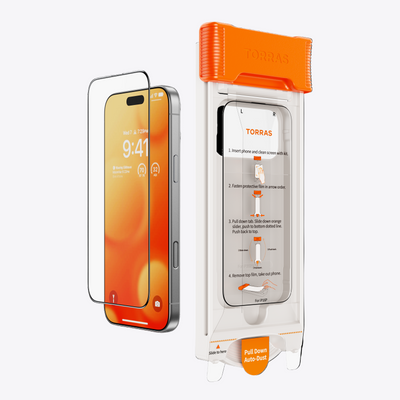
If your main risks involve drops during hiking, commuting, or travel, choose a high-quality tempered glass protector like the GlassGo Screen Protector for Samsung S26 or GlassGo Screen Protector for iPhone 17 Pro. These deliver the impact resistance and optical clarity most flagship owners want while maintaining a premium feel.
Opt for a flexible TPU film instead when ultrasonic fingerprint speed is your top priority or when you have a heavily curved screen and prefer simple installation. In that case, check our guide on how to apply a screen protector without bubbles to avoid frustration.
Many readers also benefit from learning how to keep your phone screen looking new through daily habits that extend any protector’s life. For the latest flagship fits, explore the full Samsung Screen Protector or iPhone Screen Protector collections and match the material to your most common usage scenario.
Does a Tempered Glass Screen Protector Reduce Touch Sensitivity?
Premium 2026 tempered glass with thin profiles and specialized coatings like Tora-Silk maintains touch sensitivity nearly identical to the bare screen. The key is staying under the 0.2 mm thickness threshold for ultrasonic sensors and re-registering your fingerprints after installation. In practice, most users notice no meaningful difference during normal swiping or gaming once properly set up.
Is TPU Self-Healing Effective Against Deep Scratches?
Modern TPU films recover well from light swirl marks caused by pocket lint or keys through their hydrogen-bonding structure, but they cannot repair deep gouges or punctures. Expect recovery from everyday micro-abrasions within hours or days of gentle pressure and warmth, yet plan to replace the film if keys create visible grooves.
How Do Ultrasonic Fingerprint Sensors Work With Screen Protectors in 2026?
Ultrasonic sensors map fingerprints using sound waves that travel through the protector. Thickness above approximately 0.2 mm or inconsistent adhesive layers distort the signal, leading to slower recognition or errors. Always verify the exact thickness spec for your S26 or similar model and re-register prints after applying any new protector.
What Is the Best Screen Protector for Curved Displays on 2026 Phones?
For micro-curved 2026 models, flexible TPU or professionally installed UV-cured tempered glass both work well. TPU offers easier bubble-free application and natural edge wrapping, while UV glass provides superior clarity and impact protection if you accept the more involved installation process. Avoid standard flat glass on curved edges to prevent dust-trapping halo effects.
Does Tempered Glass Yellow Over Time Like TPU Films?
High-quality tempered glass resists yellowing far better than TPU. Glass maintains its optical clarity for the life of the protector unless physically damaged. TPU films, especially lower-grade versions, absorb skin oils and UV light, often developing a noticeable yellow tint after six to twelve months of daily outdoor or pocket use.

 New
New


Becca Farsace
Emmy-winning filmmaker and creator Becca Farsace takes tech outside. A former senior video producer at The Verge, she has created and produced over 250 videos, becoming the first staffer to surpass 6.5 million views on TikTok. Now a full-time tech creator, she's built a go-to YouTube channel for adventurous, real-world tech reviews. Becca blends cinematic storytelling with a sharp strategic lens to help brands and audiences connect with technology in a more human, compelling way.