

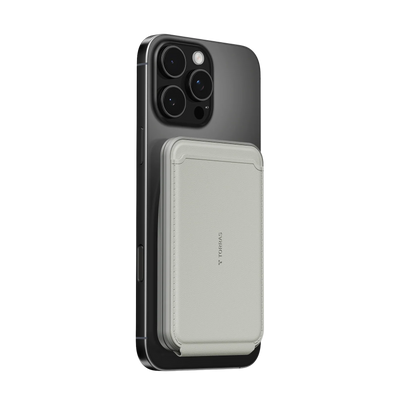


That sharp chemical whiff when you first pull a new phone case out of its packaging is completely normal. For most people using reputable brands, the odor is a harmless byproduct of manufacturing that fades naturally within a few days of airing it out, and there are safe, material-friendly ways to speed things up without damaging the finish or MagSafe magnets.

Why Your New Phone Case Smells Like a Factory
The moment you unbox a fresh case, especially after it has traveled in sealed plastic, that distinctive factory smell hits you. In my experience swapping cases on daily drivers for years, it almost always comes down to volatile organic compounds, or VOCs, and leftover solvents from dyes, bonding agents, and the molding process. These gases get trapped when the case is packaged right after production.
Premium liquid silicone versions can feel extra pungent because the soft material behaves like a scent sponge. It readily picks up warehouse or shipping odors during its journey to you. This isn't a flaw in the case itself but a side effect of how tightly everything is sealed to keep it pristine until you open it.
If you're unboxing in a small office or car, the smell can seem stronger and more immediate. Holding the phone close during calls on your morning commute makes it even more noticeable. Recognizing this as standard off-gassing rather than a defect helps you decide whether to wait it out or explore gentle fixes.
Is the 'New Case Smell' Actually Toxic?
Most of us wonder if that strong plastic or chemical scent means we're exposing ourselves to something harmful, especially when the phone stays near our face all day. The good news is that reputable manufacturers comply with strict international standards that limit toxic substances. As this EU compliance guide for phone cases details, regulations such as REACH and RoHS tightly control chemicals like certain phthalates, lead, and cadmium.
In the United States, the Toxic Substances Control Act and related consumer product rules provide similar oversight for plastics and polymers used in accessories. This means the odor you notice is typically the final stage of manufacturing gases releasing, not a sign of dangerous levels of harmful compounds.
That said, if you have heightened sensitivity or specific health concerns, it's reasonable to air the case thoroughly before full-time use. The smell itself is unpleasant but does not automatically signal toxicity when the brand follows these established safety frameworks. For health-conscious users, choosing cases from brands that publish their compliance is the simplest filter.
The Material Scent Guide: Silicone vs. VegSkin vs. Bio-Polymers
Different phone case materials carry their own signature during those first few days, and knowing what to expect prevents unnecessary worry or returns. Traditional liquid silicone often gives off a clean but noticeable plastic-like scent that many describe as fresh-from-the-mold. In everyday pocket carry, this can linger a bit longer on humid days because the material holds onto molecules easily.
VegSkin, our vegan leather alternative, has a softer, more subdued profile thanks to its eco-dyes and bonding process. It rarely smells sharply chemical. Instead it carries a milder note that blends into the background faster during one-handed use or when mounted in a car.
With the rise of 2026-era bio-based polymers and recycled TPU, you might notice an earthy or slightly toasted undertone rather than a harsh factory smell. This shift comes from plant-derived feedstocks and the reprocessing cycle. While the scent differs from classic plastics, it often signals a lower overall VOC footprint. Individual noses vary, so what one person calls mild another might find more present in a confined commute.
These differences matter when you evaluate a case for long-term daily wear. A recycled TPU model packaged soon after production may need a little extra patience, but the unique profile is generally a byproduct of more sustainable manufacturing rather than a reason to send it back.
The Countdown: How Long Until the Smell Fades?
For the majority of new cases, the odor drops significantly within 24 to 72 hours once you leave it in open air. I usually set a fresh case on a windowsill with indirect light and notice it becomes neutral by the second or third day of normal use. Factors like room ventilation and humidity play a role. A stuffy bedroom or parked car slows things down compared to a breezy living space.
Recycled materials sometimes need up to four days because the reprocessed polymers can retain a thermal residual scent a bit longer. This ventilation gap of roughly 20 percent more time is a helpful planning guideline rather than a strict rule. Avoid direct sunlight or heat sources, which can sometimes reactivate the smell temporarily instead of helping it dissipate.
If you're deciding whether to keep or return the case, give it at least the first 48 hours in open air before judging. Most lingering scents at that point are still within normal range, especially for premium protective options designed for daily commuting and one-handed grip. When the smell fades, you're left with the intended protective performance without the initial distraction.
Safe Ways to Speed Up Odor Neutralization
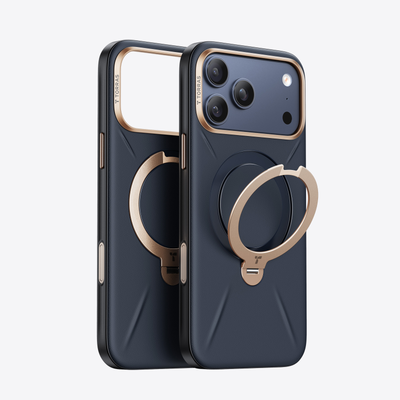
When waiting feels too slow, especially before an important call-heavy day, gentle methods can help without risking the case. For silicone and TPU styles like our Ostand Q3 Silicone for iPhone 17 Series, a mild solution of warm water and a drop of dish soap works well. Wipe gently with a soft cloth, then let it air dry completely. This removes surface residues that contribute to the scent while preserving the soft-touch feel that makes one-handed use secure on crowded transit.

A dry baking soda bath offers another low-effort option. Place the case in a sealed container with an open box of baking soda for 12 to 24 hours. It absorbs odors safely across most materials and avoids any liquid that could affect clear finishes or MagSafe alignment.
The critical rule is knowing what to skip. Bleach or high-concentration alcohol can strip the premium coatings that give VegSkin or liquid silicone their supple, grippy texture. Our How to Clean a Silicone Phone Case guide walks through these safe steps in detail, including how to maintain the finish over months of pocket carry and stain exposure. For VegSkin options such as the Ostand Q3 VegSkin for iPhone 17 Series, stick to the mildest approaches to prevent micro-cracking that would ruin the premium hand feel.
These methods fit real life. You can clean during an evening at home and have a fresh-smelling case ready for the next day's commute. The goal is accelerating the natural process while protecting the protective qualities you bought the case for.
When a Lingering Scent Becomes a Quality Concern
In rare cases the smell refuses to fade after a full week of open-air ventilation. At that point it makes sense to inspect more closely. A persistent metallic, burning, or sharply acidic note that doesn't improve is worth contacting support. Most quality issues surface this way rather than through normal off-gassing.
Premium utility should make your phone easier and more secure to use, whether in a car mount during rush hour or for long work calls. If the scent disrupts that experience beyond the first few days, your warranty exists for a reason. Checking in early prevents settling for something that never quite feels right in daily rotation.
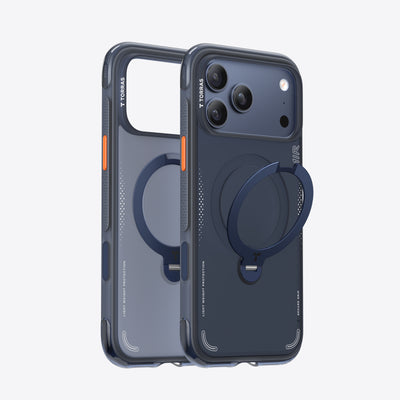
For most TORRAS cases, from the slim AIR PRO-TECH for iPhone 16 Pro Max to rugged MagSafe options, the initial smell is a short chapter. Once it passes, you're left with reliable drop protection and the comfortable grip that comes from thoughtful material choices. If you're shopping for your next case, our full phone case collection includes styles tested across these real-world scenarios.
Is New Phone Case Smell Toxic?
No, the smell from a new phone case from a reputable brand is generally not toxic. It results from controlled manufacturing off-gassing that meets standards such as REACH, RoHS, and TSCA. These regulations limit harmful substances, so the odor represents normal residual compounds releasing rather than a health hazard. People with chemical sensitivities may still prefer airing the case for several days before extended skin contact.
How Long Does the New Phone Case Smell Last?
Most cases lose their noticeable odor within 24 to 72 hours of unboxing and exposure to air. Recycled or bio-based materials may take up to four days in some batches. Indirect airflow and avoiding heat speed the process. If the scent remains strong after one week, consider it outside the typical range.
How to Get Rid of Chemical Smell on Phone Case Safely?
Use warm water with a small amount of dish soap and a microfiber cloth for silicone and TPU. For non-liquid treatment, a baking soda dry bath for 12-24 hours absorbs odors effectively. Always avoid bleach, pure alcohol, or vinegar on premium coatings like VegSkin, as these can damage the finish and reduce the case's lifespan and grip.
Does Silicone Phone Case Smell Like Plastic Forever?
No. The plastic-like scent on new silicone cases fades as the manufacturing residues off-gas. Proper airing and occasional gentle cleaning with mild soap keep it odor-free long term. The soft material may absorb environmental smells if stored in a drawer, but regular use and cleaning prevent any permanent issue.
How to Remove Odor From Clear Phone Case Without Yellowing?
Stick to mild dish soap and water or a baking soda dry method. Avoid alcohol-based cleaners or abrasive scrubbing that can accelerate yellowing from UV exposure. After cleaning, dry thoroughly away from direct sun. Our guide on why clear phone cases turn yellow offers additional prevention tips that also help with odor control over time.
What If the Smell Returns After Cleaning?
Occasional return of mild scent can happen in humid environments or after the case sits unused. Repeat the baking soda treatment or simple soap wipe. Persistent strong odors after multiple cleanings suggest checking storage conditions or contacting support, as it may indicate material interaction with skin oils or environmental factors rather than the original manufacturing smell.

 New
New


Becca Farsace
Emmy-winning filmmaker and creator Becca Farsace takes tech outside. A former senior video producer at The Verge, she has created and produced over 250 videos, becoming the first staffer to surpass 6.5 million views on TikTok. Now a full-time tech creator, she's built a go-to YouTube channel for adventurous, real-world tech reviews. Becca blends cinematic storytelling with a sharp strategic lens to help brands and audiences connect with technology in a more human, compelling way.