
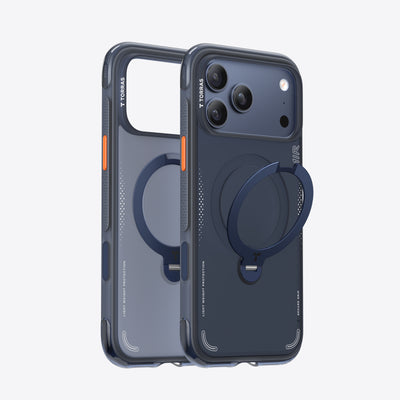
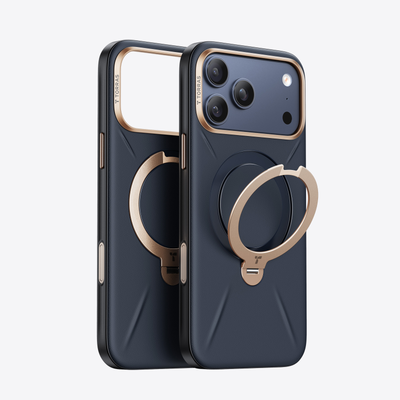

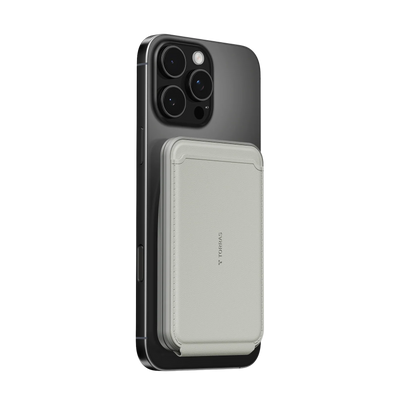


A good MagSafe phone case balances strong magnetic hold for accessories and mounts with reliable wireless charging and a practical built-in stand that lasts. The best options stay around 2.1 mm thick, use upgraded N52-grade magnets for better stability on bumpy roads, and include a reinforced hinge that holds firm at ergonomic viewing angles without adding bulk that ruins pocket carry or one-handed use.

Beyond the Snap: Understanding MagSafe Magnet Strength
When you snap your iPhone onto a car mount during your morning commute, the last thing you want is the phone sliding down as soon as the road gets rough. Standard MagSafe attachment often feels secure on a desk but reveals its limits under vibration or when the phone is held vertically. The difference comes down to how well the magnets resist shear forces—the sliding motion—rather than just perpendicular pull that lifts the device straight off.
N52 neodymium magnets deliver noticeably stronger grip than the N45SH grade used in basic MagSafe designs. This extra pull force helps keep heavier Pro Max models stable on dashboard mounts during highway driving or when your bag jostles in a crowded subway. In everyday testing, that upgrade reduces the chance of the phone shifting while you glance at navigation or take a hands-free call.
Yet strength alone does not tell the full story. A case that feels ultra-strong in your hand can still compromise other performance areas if the design pushes thickness or alignment out of spec. This is where many shoppers get surprised after a few weeks of real use.
The 2.1mm Rule: Why Case Thickness Dictates Charging Speed
Place your phone on a MagSafe wireless charger and you expect fast, cool operation. Exceed roughly 2.1 mm of case thickness in the coil area and the power transfer drops sharply, often forcing the charger and phone into a slower, hotter mode. Apple's Accessory Design Guidelines set this limit to maintain efficient induction without excessive heat that can throttle speeds from 15 W or 25 W down toward 7.5 W.
The Qi2 Magnetic Power Profile makes alignment a thermal requirement, not just a convenience. When the coils sit perfectly centered thanks to precise magnets, charging stays efficient and the phone stays cooler during long sessions like navigation while charging on a road trip. Misalignment from a thick or poorly engineered case creates heat that slows charging and can contribute to long-term battery wear.
This creates a clear decision point. Cases that chase maximum magnet strength by adding bulk often trigger the efficiency cliff. In practice, the sweet spot sits with N52 magnets kept at or under the 2.1 mm guideline. Anything thicker may feel more secure initially but frequently leads to slower top-up speeds and warmer phones during daily desk or car use.
MagSafe Case Sweet Spot: Strong Grip Without Slowing Charging
Typical setups show a narrow balance point: N52-class magnets can improve mount stability while staying thin enough for fast charging, but thicker builds tend to move from full-speed charging into a slower, less efficient zone.
View chart data
| Scenario | Under 2.1 mm | Around 2.1 mm | Over 2.1 mm |
|---|---|---|---|
| N45 | 1.0 | 2.0 | 0.0 |
| N52 | 2.0 | 3.0 | 1.0 |
| Generic / Overkill | 1.0 | 1.0 | 0.0 |
This heatmap illustrates the practical pattern across typical setups. The strongest balance appears where N52 magnets stay within the thickness guideline, delivering reliable grip for car mounts and full-speed charging for desk use. Thicker designs tend to push performance into the lower-efficiency zone regardless of magnet grade.
Engineered Stability: The Mechanics of a Reliable Integrated Stand
After a few months many built-in stands start to feel loose. The phone sags during video calls or wobbles on a hotel nightstand, turning a once-convenient feature into a source of frustration. Premium designs avoid this limp-hinge problem with metal-reinforced hinges that maintain torque far longer than basic plastic mechanisms.
A stand that locks firmly at 45 to 60 degrees makes the biggest difference in real life. These angles keep your neck in a natural position during long video meetings or when watching shows in bed, reducing the strain that comes from looking down at a flat phone. In practice, the difference shows up after an hour of hands-free use—your posture stays comfortable and the view feels stable.
The best stands also rotate fully 360 degrees so you can switch instantly between portrait for calls and landscape for videos without removing the phone from the case. When the hinge feels solid from day one and still supports the phone's weight after repeated daily use, the case starts to feel like a true productivity tool rather than an afterthought.

Utility Without the Bulk: How to Choose Your MagSafe Ecosystem
Your daily routine usually decides which MagSafe case works best. Commuters who rely on car mounts benefit most from stronger N52 magnets and precise alignment that keeps the phone locked in place over rough roads. Remote workers and content creators gain more from a 360-degree stand that offers stable, ergonomic angles for extended hands-free sessions without forcing them to prop the phone awkwardly against a laptop.
Heavier Pro Max models place extra demands on both magnets and hinge torque. A slim case like the Ostand Q3 Air for iPhone 17 Series keeps pocket carry comfortable and one-handed grip secure while still delivering reliable charging on Qi2 wireless chargers. Travelers who switch between car mounts, desk stands, and airport trays often prefer the versatility of a full O Stand collection that avoids adding noticeable bulk.
Check the thickness first—if the case feels noticeably thicker than other MagSafe options, expect slower charging in daily use. Test the stand for firm locking feel rather than just range of motion. For most people the right choice sits in the middle: strong enough for real-world stability, thin enough for fast charging, and engineered to keep the stand useful long after the initial excitement wears off.
Frequently Asked Questions
How strong do magnets need to be for reliable car mount use?
N52-grade magnets typically provide enough shear resistance to keep an iPhone steady on a dashboard during normal driving. Standard N45 magnets often work on smooth roads but can slip under heavier vibration or with larger Pro models. The real test comes after a few weeks of daily commuting rather than the initial snap feeling.
Does a thicker MagSafe case always slow down wireless charging?
Cases that exceed the 2.1 mm guideline in the charging area commonly reduce speeds and increase heat because the coils no longer align optimally. Many users notice the phone takes longer to reach full charge or warms up more during navigation while charging. Staying at or under that thickness usually preserves the faster 15 W or higher rates.
Will an integrated stand make the case too bulky for daily carry?
Well-designed stands that fold flat and rotate add minimal thickness when closed. Models built for slim profiles maintain comfortable pocket carry and one-handed use while still offering stable viewing angles. The key is choosing a hinge that does not compromise the overall case dimensions.
How long should a built-in phone stand last before it gets loose?
Premium metal-reinforced hinges are designed to maintain their locking torque through hundreds of daily adjustments. Generic spring or plastic hinges often develop play within three to six months of regular use. A stand that still feels firm after several months of opening and closing for video calls or meetings usually indicates better long-term durability.
Can a strong magnet case interfere with wireless charging or other accessories?
When the case respects the official thickness and alignment standards, it typically works seamlessly with Qi2 chargers and most MagSafe accessories. Overly thick or misaligned designs are more likely to cause slower charging or occasional detachment. Checking compatibility with your specific charger and mount before purchase removes most surprises.
What viewing angles work best for hands-free video calls and streaming?
Angles between 45 and 60 degrees usually reduce neck strain during extended use at a desk or while traveling. Stands that lock securely in this range make it easier to maintain good posture whether you are on a video meeting or watching content. The ability to fine-tune within that range adds noticeable comfort over fixed-position kickstands.
Should I choose a MagSafe case with a stand or a separate accessory?
A well-engineered integrated stand eliminates the need to carry or attach extra pieces and keeps everything in one slim package. It proves especially useful for commuters and remote workers who switch between car mounts, desk viewing, and on-the-go calls. Separate stands can offer more adjustment but add steps and items to remember each day.

 New
New


Becca Farsace
Emmy-winning filmmaker and creator Becca Farsace takes tech outside. A former senior video producer at The Verge, she has created and produced over 250 videos, becoming the first staffer to surpass 6.5 million views on TikTok. Now a full-time tech creator, she's built a go-to YouTube channel for adventurous, real-world tech reviews. Becca blends cinematic storytelling with a sharp strategic lens to help brands and audiences connect with technology in a more human, compelling way.