
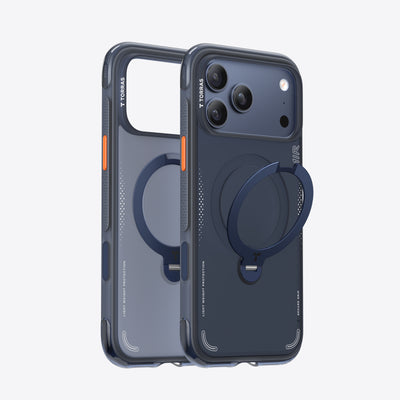
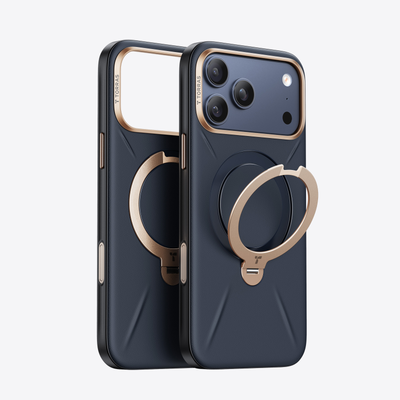


It feels like just a piece of plastic until your $1,200 flagship phone survives a concrete drop that would have cracked the screen otherwise. The real difference between a $10 case and a $60 one lies in months of hidden engineering, precision tooling that costs thousands per mold, and rigorous testing that generic shells rarely undergo. In 2026, premium cases function more like mechanical tools than disposable shells, especially for one-handed commuting use or extended video calls where a wobbly stand or yellowing plastic quickly becomes frustrating.
The $50 Question: Why Are Phone Cases So Expensive in 2026?
Many buyers look at a premium case and see only the plastic exterior. What they miss is the 12-to-24-month development cycle required to turn basic protection into a reliable mechanical partner for daily life. That gap explains why some cases feel secure in your pocket for years while others develop loose edges or fail at the worst moment during a commute.
The $10 options often rely on older molds and basic materials that prioritize low cost over long-term performance. Premium designs invest heavily in precision engineering so the case maintains its fit and protective qualities even after repeated drops, pocket carry, and exposure to hand oils. This shift from simple shell to engineered accessory drives the price difference more than any single component.
Precision Tooling: Why a $12,000 Mold Dictates Your Case’s Fit
The manufacturing process begins with the mold, and here the cost difference becomes dramatic. A basic single-cavity mold for a simple TPU case typically starts around $3,500, while complex hardened steel molds needed for mechanical or dual-layer designs can exceed $12,000 per model, according to industry sourcing data from Chinese manufacturing specialists (2026 Guide to Sourcing Phone Case Injection Molds).
Those premium molds deliver micron-level precision that prevents the loose edges many cheap cases develop after months in a pocket. Servo-driven injection machines maintain consistent wall thickness and tight tolerances, creating that satisfying first-time snug fit that lasts. Without this investment, manufacturers cut corners and the case gradually loses grip on the phone.
When Tooling Investment Pays Off
A tiered comparison of commodity and innovation cases to show why higher upfront tooling often supports tighter tolerances and longer fit life.
View chart data
| Category | Initial Tooling Cost | R&D Duration | Precision Tolerance (Microns) | Fit Longevity |
|---|---|---|---|---|
| Basic / Commodity | 1.0 | 1.0 | 4.0 | 1.0 |
| Premium / Innovation | 4.0 | 4.0 | 1.0 | 4.0 |
This upfront tooling investment pays off in daily use. A precisely molded case stays secure during one-handed operation on public transit and resists the gradual loosening that turns a once-tight fit into a liability.
Beyond Basic Plastic: The Material Science of Protection and Clarity
Material choices separate cases that stay clear for a year from those that yellow within weeks. Standard TPU often discolors from hand oils and UV exposure, while high-grade resins with UV-resistant additives delay this process significantly. In 2026, bio-based resins have become an emerging standard, adding roughly 15-20% to material costs but delivering better sustainability alongside durability.
Soft-touch finishes represent another engineering decision rather than a simple coating. They provide the secure grip many users notice during extended one-handed use or when pulling the phone from a pocket quickly. These formulations resist stains and maintain their feel over time, unlike cheaper plastics that become slick or tacky.
The added cost of these materials matters most for users who keep their phones for multiple years. A case that maintains clarity and grip preserves both the phone’s appearance and your daily experience far longer than budget alternatives.
Engineering the 'Click': The Hidden Cost of Patented Mechanical Features
A built-in kickstand might look simple, but creating one that rotates smoothly through 360 degrees and holds a heavy flagship phone steady requires complex torque damping and aerospace-level tolerances. Manufacturers test these mechanisms for thousands of open-close cycles to avoid the common “limp hinge” problem that appears after a few months of regular use.
The satisfying click of a secure lock comes from precise mechanical engineering and repeated stress modeling during development. Premium stands undergo extensive prototyping because a failed hinge during a video call or while using a car mount creates immediate frustration. This development work, often spanning 18 months or more, explains much of the price difference compared to basic models.
For content creators or commuters who rely on a stable stand multiple times daily, these mechanical features transform the case from passive protection into an active tool. The extra engineering cost shows up as reliability you notice every time you deploy the stand.
Military-Grade Reality: What 26 Drops Actually Cost a Manufacturer
“Military-grade” often sounds like marketing language until you examine the actual standard. MIL-STD-810H requires a device to survive 26 drops from four feet onto every face, edge, and corner, according to detailed testing protocols used across the industry (Beyond the Drop: Inside Military-Grade Drop Testing).
Passing this protocol demands iterative design changes and third-party lab certification that add substantial cost. Manufacturers must over-engineer beyond typical commuting drops to ensure the case absorbs impacts without transferring force to the phone. This process explains why some $10 cases crack after one bad landing while premium options continue protecting expensive devices.
In real life, that extra margin matters when your phone slips from a car mount or gets knocked off a table during a busy day. The certification and testing represent real manufacturing expense that directly translates to fewer expensive screen repairs.
The 18-Month Lifecycle: From CAD Prototype to Your Pocket
Developing a truly innovative mechanical case typically takes 12 to 24 months of work. The process moves from initial CAD modeling through mechanical stress testing, failed prototypes, and global patent filing. Intellectual property protection alone can consume 5-10% of the development budget, creating a necessary cost of staying ahead of copies.
Each stage involves real expenses that get amortized across the final units sold. The 18-month timeline includes extensive testing for hinge longevity, material performance under different temperatures, and drop scenarios that generic manufacturers rarely replicate. This invisible labor is what separates cases that maintain performance for years from those that quickly disappoint.
The Value Logic: Why Your $1,200 Flagship Deserves a Precision Partner
When your phone costs well over a thousand dollars, spending roughly 5% on its protection becomes an investment rather than an expense. A precision-engineered case helps maintain resale value by preventing scratches and absorbing impacts that would otherwise damage the device. More importantly, it delivers consistent daily performance instead of gradual degradation.
Cheap alternatives often lead to regret when hinges loosen, plastic yellows, or the fit becomes sloppy after a few months. For daily commuters, content creators, or anyone who uses their phone heavily, these failures create constant small annoyances that a well-designed case avoids.
The most practical choice depends on how you use your device. If you expect it to survive real life for years while supporting one-handed operation and stable video calls, the engineering behind premium options delivers measurable value over time. A mechanical tool designed for 2026 lifestyles costs more to develop, but it also lasts longer and performs better in the situations that matter most.
Frequently Asked Questions
How Much Does It Cost to Develop a Patented Phone Case Feature Like a Rotating Stand?
Developing a reliable 360-degree mechanical stand typically requires 12-24 months of CAD modeling, prototype iterations, and cycle testing. Patent filing and global enforcement add another 5-10% overhead to the budget. These costs get spread across production units, which is why innovative features appear primarily on higher-priced models.
Why Do Some Phone Cases Turn Yellow So Quickly?
Standard TPU reacts to hand oils, UV light, and heat, causing discoloration within weeks or months. Premium cases use higher-grade resins and UV stabilizers that significantly delay this process. Complete prevention remains difficult in real-world conditions, but quality materials can maintain clarity for a year or longer with normal use.
What Does Military-Grade Drop Protection Actually Test?
MIL-STD-810H certification involves 26 drops from four feet onto every surface, edge, and corner of the device. This standardized protocol requires extensive design iteration and lab verification. The testing cost and necessary over-engineering explain much of the price difference between basic and premium protective cases.
Are Bio-Based Resins Worth the Extra Cost in 2026 Phone Cases?
Bio-resins typically increase material costs by 15-20% but offer improved sustainability alongside strong durability and oil resistance. For users who keep phones for multiple years, the better long-term performance and reduced environmental impact often justify the premium, especially as these materials become industry standard.
How Many Cycles Should a Quality Phone Case Stand Survive?
Premium mechanical stands are generally engineered to handle 5,000 or more open-close cycles without developing looseness or sag. This benchmark comes from extensive torque damping and stress testing during development. Real-world longevity depends on usage intensity, but proper engineering prevents the common limp-hinge failure seen in cheaper designs.
Does a More Expensive Phone Case Really Protect Better Than a Cheap One?
In everyday scenarios like commuting drops or pocket carry, higher-quality cases with precise molding, better materials, and certified drop testing consistently outperform budget options. The difference becomes clear over months of use when cheap cases loosen, yellow, or fail to absorb impacts while premium designs maintain both protection and appearance.

 New
New


Becca Farsace
Emmy-winning filmmaker and creator Becca Farsace takes tech outside. A former senior video producer at The Verge, she has created and produced over 250 videos, becoming the first staffer to surpass 6.5 million views on TikTok. Now a full-time tech creator, she's built a go-to YouTube channel for adventurous, real-world tech reviews. Becca blends cinematic storytelling with a sharp strategic lens to help brands and audiences connect with technology in a more human, compelling way.