


When you suddenly need both hands free during a video call or while following a recipe on your phone, a quick DIY phone kickstand made from stuff you already have at home can save the moment. These solutions work in a pinch for short sessions, yet they often reveal their limits once your heavy 2026 flagship starts to tip or the cardboard softens after a few adjustments. The real decision comes down to whether you need an emergency fix or a reliable daily tool that won't risk your expensive device.

Emergency Hacks: How to Make a Phone Stand with Household Items
Most people reach for the same few objects when they need their phone propped up right now. The double binder clip method starts with two large clips and one small one. Hook the two large ones together at their metal arms to form a wider base, then use the small clip to grip the bottom edge of your phone. It creates a surprisingly rigid stand for landscape viewing on a mousepad or textured surface where the clips won't slide.
The paperclip origami approach bends a single heavy-duty paperclip into a low cradle. Straighten the outer loops, then fold the inner wire to create two small hooks that cradle the phone's bottom corners. This works best for light phones in landscape mode but feels precarious once you switch to portrait or set it on a slick desk.
For travel, the plastic card fold uses an expired credit card or old hotel key. Score a straight line about one-third from the short edge, then fold it into a shallow V. The phone rests in the notch. It packs flat in your wallet and gets you through an unexpected FaceTime call, though it rarely holds steady if the table vibrates.
These quick fixes appear in many community guides and can get the job done when nothing else is available (How to Make a Phone Stand: 5 Simple DIY Methods).
The Easy Cardboard Phone Kickstand Tutorial for Quick Viewing
A cardboard shipping tube or even a sturdy toilet paper roll often makes the most stable temporary stand for larger phones. Cut a section about four inches long, then measure two notches on opposite sides that exactly match the thickness of your phone in its case. The notches should be deep enough for the phone to sit securely without wobbling.

Slide the phone into the notches so it leans back at roughly a 60-degree angle. For extra strength, wrap a second layer of cardboard around the base or reinforce the edges with packing tape. This method handles video playback better than clips because the wider tube base spreads the weight more evenly.
Still, after about fifteen or twenty adjustments the edges start to compress and the angle drifts. In real use, I've watched these stands slowly sag during a thirty-minute cooking video, forcing constant readjustment. The tutorial approach works when you need something fast, but it rarely survives daily use without looking worn.
Portable DIY Phone Holder Hacks for Travel and Commuting
Airplane tray tables and train seats create awkward viewing situations where a dedicated stand won't fit in your pocket. One reliable hack uses an empty paper cup from the beverage service. Cut a slit near the top rim wide enough for your phone's edge, then wedge the bottom of the cup against the seatback pocket. It creates a decent landscape angle for movies without blocking the tray.
The seatback pocket itself can hold your phone if you fold the top edge over to create tension, though this only works for shorter clips. For train commutes, a folded airline magazine or thick napkin can form a simple wedge under the phone, but any turbulence sends it sliding.
These portable tricks shine in tight spaces where you can't carry extra gear. They get you through a flight, yet they lack the precision needed for recording clear video or maintaining an ergonomic angle over long periods. Many travelers eventually regret the constant fiddling and wish they had something that just stayed put.
Why Your Makeshift Phone Stand for Desk Use Needs the Right Angle
After using various DIY setups at my desk for weeks, I noticed my neck started aching by mid-afternoon. The Mayo Clinic office ergonomics guide explains that keeping your screen at or slightly below eye level prevents you from tilting your head forward or back, which reduces strain on neck and back muscles.
OSHA's recommendations for computer workstations reinforce this point. Working with your head and neck turned or tilted for long stretches increases muscle fatigue and pain. A stand that sits too low forces you into awkward postures that load the cervical spine unevenly (OSHA eTools: Computer Workstations - Monitors).
Most cardboard or clip stands position the phone at a flat 30- to 45-degree angle, which is too low for comfortable viewing. You end up hunching forward, creating the very “tech neck” many remote workers complain about. The fixed angle also creates glare from overhead lights that you can only fix by shifting your entire body instead of simply rotating the phone. A stand that lets you fine-tune the viewing angle makes a noticeable difference in how long you can work comfortably.
Stability Risks: Why DIY Phone Stands for Recording Video Often Fail
Recording a quick tutorial or product demo on your phone seems simple until the setup collapses mid-take. Minor desk vibrations from typing or even closing a drawer can send a clip-based stand sliding. The narrow base of most household hacks simply cannot absorb those small movements.
Allstate data shows that 87 million Americans experienced smartphone damage in a single recent year, with a large share happening during one-handed use or while propping the device up (87 Million Americans Have Had Smartphone Damage In The Past Year). The risk feels immediate when your $1,200 phone is balanced on a paperclip.
Community hacks that look clever in photos often fail for content creators who need repeatable, steady angles. The phone drifts, the lighting changes, and the clip eventually loosens. After several ruined takes, most people switch to something more stable rather than keep fighting the setup.
The 2026 Weight Challenge: Making a Stand for Heavy Smartphone Models
Flagship phones in 2026 routinely weigh 220 grams or more, especially with thick protective cases. That extra mass shifts the center of gravity higher, making narrow DIY bases unstable in portrait orientation. Binder clips that felt secure with last year's lighter models now tip forward at angles steeper than 45 degrees.
The portrait tipping zone becomes obvious once you try filming vertical video. The phone's weight overcomes the friction of metal on wood or glass, and it slowly slides or topples. Smooth office desks make the problem worse because paperclips and cardboard offer almost no grip.
Many people discover this the hard way during an important call or while filming a recipe. What starts as a free solution ends with a phone on the floor. At that point, the time saved by not buying a proper stand disappears in the cost of repairs or a new screen.
Stability Threshold: DIY Kickstands vs Integrated Stand Cases
A simple threshold view of where DIY phone kickstands tend to move from acceptable to risky, compared with the higher stability band typically associated with integrated stand cases.
View chart data
| Category | Lower bound | Upper bound |
|---|---|---|
| DIY low-load / short-use | 0.0 | 50.0 |
| DIY moderate use | 50.0 | 1000.0 |
| DIY high-load / repeated use | 1000.0 | 5000.0 |
| Integrated stand case | 1000.0 | 5000.0 |
This chart shows the practical stability threshold most people experience. DIY options handle light, occasional use reasonably well, but once you move into repeated adjustments or heavier phones, the risk of tipping or material fatigue climbs quickly. Integrated designs stay in the higher-stability range for daily workflows.
Beyond the Hack: Why Integrated Stands Outperform DIY Solutions
After trying countless household fixes, the moment that finally convinced me to switch came during a long video call when the binder clip slipped and my phone landed face-down on the floor. The transition from emergency hack to daily tool happens when you realize how often you actually need hands-free viewing.
Integrated stands solve the problems that DIY versions never quite fix. The 360-degree rotation lets you eliminate glare without moving your chair or repositioning a lamp. The wider base and silicone contact points provide far more grip than metal clips on a smooth desk. Most importantly, the hinge mechanism maintains its tension through thousands of adjustments instead of softening after a couple dozen uses.
For anyone who records video regularly or joins multiple calls per day, the difference in consistency and peace of mind is immediate. You stop worrying about whether today's setup will hold and simply open the stand. That reliability becomes part of your workflow rather than an interruption.
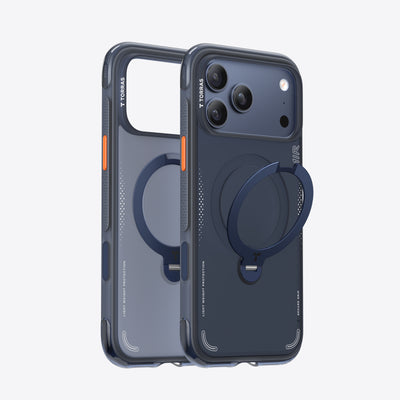
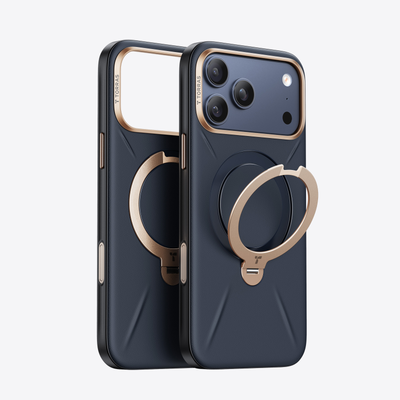
If you're looking for a more permanent solution, check out how a phone case with a stand changes your daily routine or explore why a phone case with a stand is the most overlooked work accessory. The Ostand Ring and Ostand Dual-Ring offer practical examples of integrated designs that combine grip, stand, and MagSafe utility in one slim package.
Investing in Stability: Long-Term Portability and Durability for 2026
The best stand is the one that travels with you without taking up extra space. Integrated designs that live inside your phone case eliminate the frustration of remembering a separate accessory or digging through your bag. They stay ready whether you're at your desk, on a plane, or cooking in the kitchen.
MagSafe compatibility adds another layer of convenience. The magnetic ring doubles as a secure grip during one-handed use on crowded trains and snaps instantly to car mounts or wireless chargers. Over time, this multi-function approach proves more practical than carrying separate clips, cups, or folded cardboard.
For most people using modern phones in 2026, the pattern becomes clear after a few weeks of DIY experiments. Occasional emergencies are well served by household items, but daily hands-free viewing deserves a solution built for the weight, the angle adjustments, and the repeated use your phone actually experiences. The Q Stand collection and Ring Holder options reflect that shift toward integrated, durable designs that match real 2026 mobile habits.
Can Cardboard Phone Stands Handle Heavy 2026 Phones?
Most cardboard stands begin to compress and lose their angle after 15 to 20 uses, especially with phones weighing over 220 grams. Reinforce the base with extra tape and cut the notches precisely to your case thickness, but expect to replace the stand every few weeks if you use it daily.
How Do I Stop My DIY Phone Stand from Sliding on a Desk?
Place a thin mousepad or silicone baking mat under the stand to increase friction. Metal clips and cardboard still slip on glass or polished wood, so test the surface first and consider adding small rubber feet cut from old jar lids.
What Is the Safest Angle for a Makeshift Phone Stand During Video Calls?
Aim for a 15- to 20-degree downward gaze from your eyes to the top of the screen. Prop the phone higher using stacked books or a cup if your DIY stand sits too low, and adjust until your neck stays neutral rather than craned forward.
Are DIY Phone Stands Good for Recording Vertical Video?
They can work for very short clips on stable surfaces, but vibration from the phone's own recording often causes wobble. Use a wider base like a cardboard tube and place the setup on a thick towel to dampen movement. For anything longer than a minute, a dedicated stand reduces frustration significantly.
How Long Do Homemade Paperclip or Binder Clip Stands Usually Last?
In everyday use they typically hold up for a few days to a couple of weeks before the metal loosens or the phone's weight bends the wire. Keep extras on hand and treat them as single-use solutions rather than permanent fixtures.

 New
New


Becca Farsace
Emmy-winning filmmaker and creator Becca Farsace takes tech outside. A former senior video producer at The Verge, she has created and produced over 250 videos, becoming the first staffer to surpass 6.5 million views on TikTok. Now a full-time tech creator, she's built a go-to YouTube channel for adventurous, real-world tech reviews. Becca blends cinematic storytelling with a sharp strategic lens to help brands and audiences connect with technology in a more human, compelling way.