
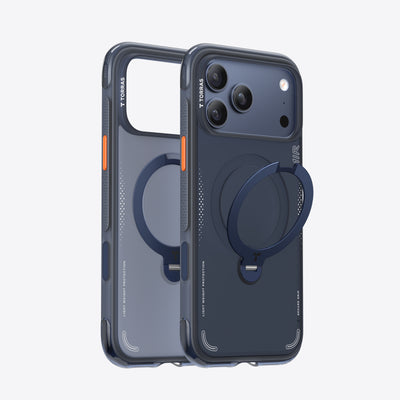
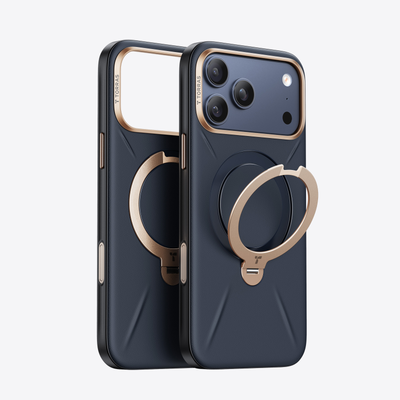

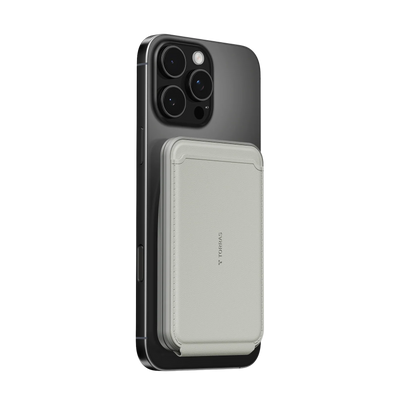


The best protective phone case in 2026 combines advanced materials that dissipate impact energy, reinforced corners that absorb the hardest hits, and a raised bezel of at least 1.5 mm to shield the large camera sensors now standard on flagship devices. Beyond those passive defenses, the strongest protection often comes from features that prevent drops in the first place, such as ergonomic grips and integrated stands that improve one-handed control during commutes or photography sessions.

Why Material Composition Is the Foundation of Impact Resistance
When your phone slips from your hand onto concrete, the case has only milliseconds to manage the force. The material that forms the bumper and back plays the biggest role in whether that energy stops at the case or reaches the glass and internals.
Thermoplastic polyurethane, or TPU, stands out because its molecular chains can flex and stretch on impact, converting kinetic energy into harmless heat instead of letting it transfer forward. Rigid polycarbonate, by contrast, excels at maintaining the phone's overall shape but transmits more of that shock straight through. In real use, a pure PC shell can feel solid yet leave the screen more vulnerable to cracks from corner drops.
Most effective designs therefore layer the two. A TPU bumper wraps the edges to handle the initial deformation while a PC frame keeps everything aligned. This hybrid approach appears in many current slim protective cases and explains why they survive repeated drops better than single-material options. As this detailed material comparison shows, TPU's energy-dissipation advantage makes it the preferred choice for the impact-prone areas of a phone case.
In daily life the difference shows up quickly. A TPU-edged case feels slightly grippier in the palm during one-handed scrolling on the subway, reducing the very fumbles that cause most low-height accidents. Over months of pocket carry, the same material resists cracking at the corners where pure hard plastic often develops stress lines.
Do Military-Grade Ratings Actually Guarantee Your Phone's Safety?
"Military-grade" sounds reassuring on a box, yet the label rarely tells the full story for a 2026 smartphone. The most commonly referenced standard, MIL-STD-810H Method 516.8, evaluates how equipment survives mechanical shocks during handling and transportation. As explained in this official overview of the testing method, the procedure was created for rugged military gear rather than edge-to-edge glass devices.
Manufacturers can tailor the test—choosing plywood instead of concrete, or limiting drop height—so the rating becomes more of a starting baseline than a universal promise. What matters more is whether the specific testing included the surfaces you actually encounter and whether the case reduces peak G-force at the phone's most fragile points.
Look past the logo for details on corner-impact performance. Real-world survival often hinges on how effectively the case handles those first-contact strikes rather than generic drop-height numbers. No case eliminates every risk, especially against sharp gravel or repeated high-angle impacts, so treat military-grade certification as useful validation rather than absolute insurance.
Structural Essentials: The Role of Reinforced Corners and Raised Bezels
Corners absorb the majority of damaging force in most drops. Modern cases address this with targeted engineering such as hollow air cushions or X-Shock-style chambers that collapse on impact to create a crumple zone. This design can dramatically lower the acceleration transferred to the phone frame, as illustrated in detailed military-grade drop testing analyses like the one from InfoCase.
For 2026 flagships the camera array presents a new challenge. Larger sensors protrude farther, making a minimum 1.5 mm raised bezel a practical threshold to keep glass lenses from touching surfaces during flat drops. Below that height, even a short tumble onto a table can scratch or crack expensive camera modules.
Raised screen bezels serve the same purpose for the display. A modest lip that keeps the glass slightly elevated when the phone lands face-down prevents direct contact with grit or uneven pavement. In practice this small dimension change often separates a phone that needs a screen replacement from one that simply needs a wipe-down.
Protection vs Bulk Trade-Off for 2026 Phone Cases
A practical guide to case choices: TPU-based and corner-reinforced designs typically fit commuting and daily use better, while added bezel height and integrated protection features matter more when drop risk is higher.
View chart data
| Scenario | Everyday use | Commuting | Outdoor use |
|---|---|---|---|
| Slim PC | 1.0 | 2.0 | 2.0 |
| TPU hybrid | 1.0 | 2.0 | 3.0 |
| TPU + reinforced corners | 2.0 | 3.0 | 3.0 |
| TPU + reinforced corners + stand | 2.0 | 3.0 | 3.0 |
Slim vs. Rugged: Can You Get Maximum Protection Without the Bulk?
Many people assume serious protection requires a thick, rubbery shell. Yet recent polymer advances let slim cases deliver impressive drop performance without turning your phone into a brick. Cases built around TPU hybrids and strategic air cushions can survive the same concrete drops as heavier models while sliding easily into a front pocket or slim bag.
The real risk of overbuilt cases is behavioral. When a phone feels too bulky, users tend to remove it more often or hold it less securely, ironically increasing the chance of a drop. In crowded commutes or quick car-mount swaps, that extra girth can make one-handed operation noticeably clumsier.
This is where thoughtful engineering shines. A well-designed slim protective case maintains military-grade drop ratings while preserving the original phone's balance and pocketability. Over a year of daily use, the difference in comfort and long-term retention becomes obvious—many people keep using a slim case for its practicality long after heavier alternatives have been shelved.
Beyond Drop Tests: How Integrated Stands Prevent Damage Before It Happens
The most effective protection may be the drop that never occurs. An integrated 360-degree stand or magnetic ring does more than prop the phone for videos. It creates a natural anchor point for your fingers during one-handed use, especially helpful when juggling coffee, keys, and a transit card on a morning commute.
In outdoor photography the same feature steadies the grip while you adjust settings, reducing fumbles on uneven trails. When placed on a table, a stable stand prevents the phone from sliding off or tipping onto its camera array. These everyday ergonomics quietly cut the statistical likelihood of accidents that no amount of corner cushioning can fully mitigate after the fact.

For active professionals and parents, this preventative approach often feels more relevant than raw drop-height specs. A case that stays comfortably in hand throughout the day ultimately protects the device better than one left in a bag because it felt too cumbersome.
Selecting Your Ultimate Device Safeguard
Choosing the right case starts with an honest look at your routines. If you move through crowded urban environments or frequently use the phone one-handed, prioritize a TPU-based design with reinforced corners and a secure grip. For serious outdoor work or rougher conditions, add a 1.5 mm or taller camera bezel and consider integrated stands that double as handling aids.
The TORRAS Guardian series excels for users who want maximum passive protection without sacrificing slim lines. Its X-Shock corner cushions and raised edges address the exact vulnerabilities of 2026 flagships while the translucent back keeps the phone's original aesthetic visible. Those who value utility alongside safety often prefer the Ostand line, where the 360-degree kickstand provides that extra measure of control that prevents many drops before they start.
You can explore the full range of military grade drop protection cases or browse the best seller collection for models that balance protection and everyday carry. For iPhone users, the iPhone 16 Pro collection offers tailored fits, while Samsung owners will find dedicated options in the Samsung S26 Ultra collection.
Ultimately protection is an investment in both peace of mind and resale value. A case that matches your actual usage patterns will stay on the phone longer and do its job far more consistently than one chosen purely for the highest advertised drop rating.
What Materials Provide the Most Effective Shock Absorption in Phone Cases?
TPU remains the top choice for shock absorption because its flexible molecular structure deforms on impact and dissipates energy as heat. Hybrid designs that pair TPU bumpers with a rigid PC frame combine this cushioning with structural strength. Silicone offers good grip but tends to attract lint and degrade faster under repeated stress, making it less ideal for long-term daily use on 2026 flagships.
Does MIL-STD-810H Certification Mean a Case Will Survive Any Drop?
No. MIL-STD-810H Method 516.8 sets a baseline for mechanical shock resistance but allows manufacturers to tailor the test surfaces and heights. A case certified under this standard may have been tested on plywood rather than concrete. Always check whether the testing specifically addressed corner drops onto hard urban surfaces, as those remain the most common failure point for phone glass.
How Important Is Camera Bezel Height for 2026 Flagship Phones?
A raised bezel of at least 1.5 mm has become a practical minimum for protecting the larger camera modules on current iPhone and Galaxy Ultra models. Anything lower risks direct lens contact during flat-face drops onto tables or pavement. TPU-over-molded lips tend to perform better than hard plastic because they can flex slightly rather than cracking on impact.
Can an Integrated Kickstand Actually Reduce the Risk of Drops?
Yes, by improving ergonomics. A 360-degree stand or ring gives your fingers a secure anchor during one-handed operation, which is especially helpful in transit or when wearing gloves. Over time this reduces the small fumbles that account for many low-height accidents. The stand also stabilizes the phone on uneven surfaces, preventing tip-overs that could land the camera array directly on grit.
What Should I Check First When Buying a Protective Case for Daily Commuting?
Start with grip texture and overall thickness. A slim TPU hybrid with reinforced corners and a raised bezel usually offers the best balance for subway rides and quick pocket access. If you frequently set the phone down on café tables, confirm the stand or ring provides stable propping without adding excessive bulk that might make the phone uncomfortable to hold for long periods.

 New
New


Becca Farsace
Emmy-winning filmmaker and creator Becca Farsace takes tech outside. A former senior video producer at The Verge, she has created and produced over 250 videos, becoming the first staffer to surpass 6.5 million views on TikTok. Now a full-time tech creator, she's built a go-to YouTube channel for adventurous, real-world tech reviews. Becca blends cinematic storytelling with a sharp strategic lens to help brands and audiences connect with technology in a more human, compelling way.