
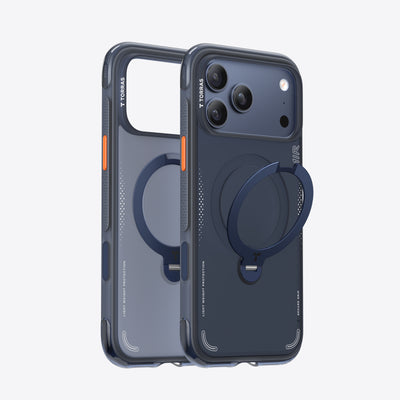
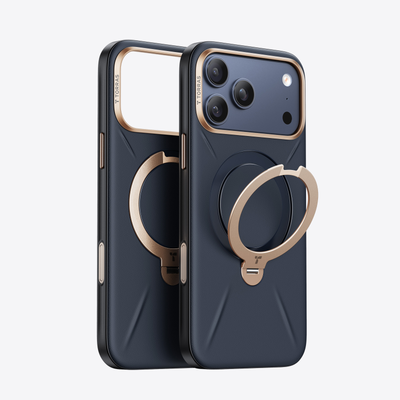

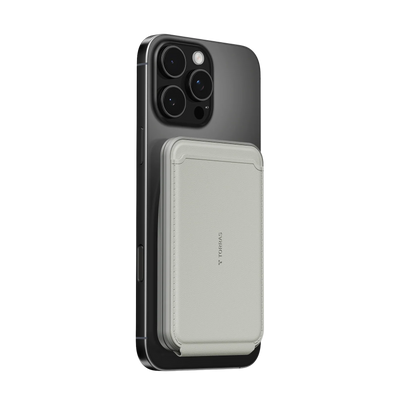


Long flights are much easier when your airplane phone stand setup keeps the screen visible without eating the whole tray table. A built-in stand case is often the cleanest answer for frequent flyers because it stays attached, opens fast, and cuts down on extra gear.

What Makes a Good In-Flight Viewing Setup
The best setup on a plane is usually the one that does three things at once: it holds the phone in view, stays reasonably steady on a small tray, and does not turn your tray table into a cluttered mess. That is why built-in stand cases tend to make more sense than loose gadgets for people who watch shows on every trip.
The practical test is simple. If your phone still has room to sit beside a drink, snack, or laptop, the setup is probably doing its job. If you have to keep adjusting it every time you reach for something else, it is too fussy for flight use.
For a broad look at why built-in stands are popular for everyday carry, see this phone case with a stand guide. It is a useful next step if you want to compare the idea against other stand-case styles before you buy.
A slim case also matters more in travel than it does at home. On a plane, every extra object becomes one more thing to pack, unfold, forget, or slide out of the way when the crew needs the tray cleared.
Set the Angle Before Takeoff
The easiest airplane phone stand setup is the one you finish before the cabin gets busy. Open the stand early, put the phone where you can see it without crowding the person next to you, and check the screen from your actual seat position before you start a movie.

A slightly more upright angle usually works better on a tray table because it keeps the screen readable when you are sitting forward. If you recline, a lower angle can feel more natural. The point is not a perfect number. It is to find the angle that stays comfortable for the way you are actually sitting.
A few quick habits help here:
- Set the stand before boarding noise and seat adjustments start.
- Place the phone far enough back that it does not slide when the tray shifts.
- Route the cable so it does not tug the phone sideways.
- Recheck the setup after the tray locks into place.
If you want a deeper look at stand construction and how the stand sits within the case, this magnet strength and stand design guide is a good background read.
Why a Built-In Stand Beats Extra Gear
A separate travel stand can work, but it adds one more item to carry and remember. That is the main reason built-in stand cases are so appealing for flights. They live on the phone instead of floating around in a pocket or carry-on.
Here is the basic difference in real use:
| Option | Carry Bulk | Setup Effort | Tray-Table Fit | What Usually Gets Annoying |
|---|---|---|---|---|
| Built-in stand case | Low | Fast | Usually good when the tray is clear enough for the phone | Less flexibility if you want a totally bare phone |
| Foldable travel stand | Medium | Moderate | Can work well, but takes more space to unfold | Another item to track and stow |
| Bare-phone balancing | None | Fast at first | Often the weakest choice on a crowded tray | Slides, tips, or gets knocked around more easily |
The built-in case wins when you travel often and want one less thing to think about. The separate stand makes more sense if you only fly once in a while and do not mind carrying an extra accessory. Bare-phone balancing is the fallback, not the ideal setup, especially when meals or a laptop share the tray.
For people comparing a case-first approach against other styles, ring stand phone cases are worth browsing because they show how much of the stand experience can be built into the phone itself. See also 6 Reasons to Use a Phone Case with a Kickstand for additional context on built-in options.
Pair the Stand Case With Power for Long Flights
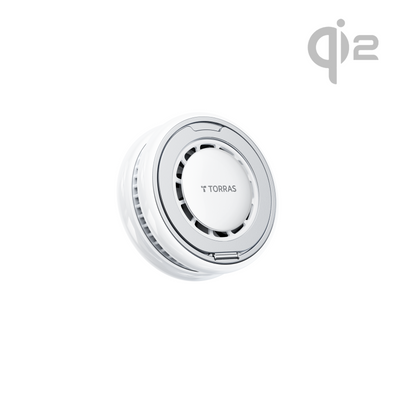
A stand case handles viewing. A battery pack handles the part that usually gets messy on long flights, which is staying charged without stretching cables across the tray. A magnetic power bank is most useful when you know you will watch for hours, sit on a red-eye, or land with little battery left. Magnetic accessories pair with stand cases to support extended viewing sessions without separate bulky chargers.
That said, the cleanest setup is still the lightest one that works for your trip. If you already carry a wall charger, a cable, and headphones, adding another bulky accessory can make the whole setup feel more annoying than helpful. The goal is to support viewing, not turn your seat into a charging station.
If you want to keep the bundle slim, the Charging collection is a better place to start than random add-ons. It keeps the focus on compact travel-friendly power instead of extra clutter.
For flights where you want one accessory that can also act as a stand, the Ostand Power Bank 5000 mAh is a reasonable navigation point. Since product fact details are limited here, treat it as a check-before-buying option and verify that the fit, capacity, and stand behavior match your device and travel habits.
A compact power bank can also make more sense than a larger charger if you are trying to keep the airplane phone stand setup easy to pack. That is especially true for people who use their phone as the main screen for movies, podcasts, and boarding passes all in one trip.
Choose the Right Stand Case for Your Trip
For frequent flyers, the right stand case is usually the one that disappears into daily carry until you need it. It should be slim enough to board with, quick enough to open in a cramped seat, and comfortable enough to hold one-handed at the gate.
The hidden trade-off is that travel-friendly does not always mean feature-heavy. A case packed with extra tricks can look impressive, but if it slows you down or adds bulk, you will notice that every time you fly. Convenience is the real benefit here, not novelty.
If you want a specific model for a newer iPhone, the Ostand Q3 Spin for iPhone 17 Pro Max is a useful reference point. For an earlier model, Ostand Q3 Spin for iPhone 16 Pro is the cleaner match. Since the fact pack is limited, check device compatibility and stand behavior before assuming a model fits your trip the way the name suggests.
A good rule is simple: if you watch content on most flights, the stand case earns its place. If you rarely use your phone in the air, a separate stand or no stand at all may be easier to live with.
Quick Checks Before Boarding
Before you sit down, do one last pass on the setup. Open and close the stand once, make sure the cable will not snag on snacks or the tray latch, and check that the phone still feels easy to grab if you need to stand up quickly. Test the full airplane phone stand setup in your actual seat position to confirm the angle stays stable when the tray shifts during service.
A smooth airplane phone stand setup should feel almost boring once it is in place. If you have to keep rescuing the phone, moving the cable, or clearing the tray again and again, the setup is too fussy for real travel.
The Business Travel Season: Executive Phone Setup Checklist is a natural next stop if you want a broader carry-ready setup beyond entertainment alone.
FAQs
Q1. Can a Stand Case Work on a Plane Tray Table?
Yes, as long as the tray table is reasonably clear and the stand opens to a position that feels stable in your seat. It usually works best when the phone is not competing with a large meal, laptop, or oversized drink.
Q2. What Is the Best Angle for Watching on a Flight?
A slightly upright angle is usually easiest for tray-table viewing, while a lower angle can feel better if you recline. The best setting is the one that keeps the screen readable without making you keep readjusting every few minutes.
Q3. Why Choose a Stand Case Instead of a Separate Travel Stand?
A stand case stays with your phone, so it is harder to forget and easier to pack. A separate stand can still be useful, but it adds one more object to carry, unfold, and stow during a trip.
Q4. Can I Still Use a Charger With the Stand Case On?
Usually yes, but the exact setup depends on the phone, the charger, and how the stand opens. A cable or magnetic battery pack often works better than a bulky adapter when you are trying to keep the tray table clear.
Q5. What Should Frequent Flyers Look for in a Travel Phone Setup?
Look for slim carry, quick setup, a viewing angle that holds its position, and a design that does not crowd the tray table. If any one of those breaks down, the setup may be more annoying than helpful on longer routes.
The Most Practical Choice for Frequent Flyers
For most travelers, the best airplane phone stand setup is a slim stand case that opens quickly, stays attached, and leaves room for everything else on the tray. Add a compact power bank only when you know the flight is long enough to justify it. If your gear gets in the way more than it helps, it is not the right setup for your seat.


