

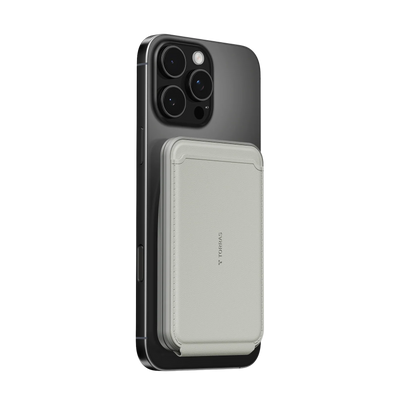


Your phone does more work on a summer trip than it does in an average month at home. Navigation, photography, translation, hotel check-ins, and staying in touch all run through the same device for days or weeks at a stretch. Getting your phone setup right before you leave is one of the most practical things you can do for any summer travel trip. Here is what actually belongs in your bag.
The Summer Travel Essentials Every Phone Setup Needs Before You Leave
Before thinking about specific features or specs, it helps to know what categories of gear actually matter on a trip. These four cover the vast majority of what travelers need:
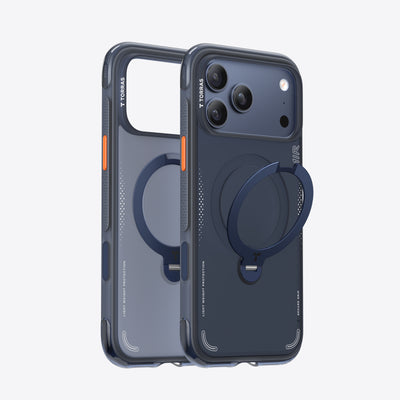
- A travel phone case. Your phone faces more drops, more heat, more sand, and more handling on a trip than in daily life. A case rated for travel conditions is not optional.
- A power bank. Outlets are not always available when you need them. A 10,000 mAh power bank, where mAh stands for milliampere-hours and measures stored charge, can fully recharge most smartphones twice and fits in a day bag without adding noticeable weight.
- A USB-C fast charging cable. One cable that works with your phone, laptop, and power bank keeps your bag clean and your options open. Look for one rated for at least 60W to cover all three.
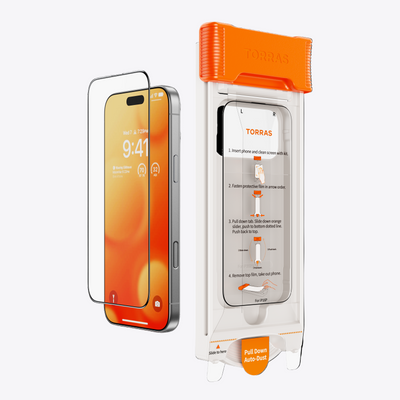
- A screen protector. Sand and grit get onto surfaces you rest your phone on. A tempered glass screen protector, which is a thin hardened glass layer that bonds to the display, absorbs scratches that would otherwise hit the screen directly.
These four items together weigh almost nothing and cover the majority of phone-related problems that come up during summer travel.

Why Summer Travel Is Harder on Your Phone Than Everyday Life
Daily life is predictable. Travel is not. The environments and situations your phone encounters on a summer trip are genuinely different from a typical commute or workday. Here is what actually changes:
- Direct sunlight overheats your phone faster than you expect. A phone left on a beach towel or car dashboard in peak summer heat can trigger thermal throttling, which is a protective feature that slows the processor down when internal temperatures get too high, within minutes. Keep it shaded and screen-side down when not in use.
- Sand is more damaging than most people realize. Fine particles get between your phone and its case, into charging ports, and onto the screen where they scratch the surface during normal handling. A case with a tight fit and raised screen edges reduces how much grit reaches the phone directly.
- Moisture adds up even without a full drop in water. Pool splashes, ocean spray, and sweaty hands all expose your phone to moisture repeatedly throughout the day. Most phones carry an IP rating, which is a standardized dust and water resistance certification, but that rating degrades over time and does not cover sustained exposure.
- More handoffs means more drops. Passing your phone to strangers for photos, juggling it with luggage, or pulling it out in a crowded market all create drop opportunities that simply do not exist in a regular day. Travel surfaces like cobblestone, concrete, and wooden boat decks are far less forgiving than office floors.

What Makes a Good Travel Phone Case for Summer
Not all phone cases perform equally in travel conditions. The gap between a standard everyday case and one suited for summer travel shows up in specific situations that are easy to overlook at the point of purchase.
Drop Protection on Unpredictable Surfaces
Travel drops happen on harder, more irregular surfaces than the padded environments most cases are tested against. Look for cases with air-cushion technology, which uses reinforced cushioning built into the corners and edges to absorb and disperse impact force, and a drop rating that specifies the test height in feet or meters rather than using vague language like protective or rugged.
Military-grade drop protection, which indicates the case has been tested to MIL-STD-810G standards, is a reliable baseline for travel. It does not guarantee the phone survives every drop, but it signals that testing was done against recognized external standards rather than internal ones.
Grip Design for Sweaty and Wet Hands
Heat and humidity are constants on summer trips. Sweaty hands are the most common cause of accidental drops in warm environments, and a case with a smooth or glossy finish offers almost no help in those conditions.
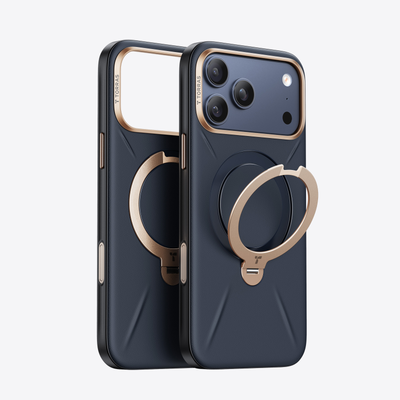
Textured surfaces, dot-matrix patterns, and soft-touch coatings all improve grip friction when hands are damp. A case that also includes a built-in kickstand adds a second grip point when shooting photos or watching content, which reduces the need to hold the phone at an awkward angle for extended periods.
The TORRAS Ostand Q3 Air addresses both of these travel requirements. Its dot-matrix anti-slip surface maintains grip in warm and humid conditions, and its Air-Max technology provides 12-foot drop protection with an industry-lead Air-Tech System. The 360° rotating aerospace-aluminum kickstand folds completely flat when not in use and opens instantly when needed.

How to Use Your Phone as a Travel Camera Without Extra Gear
Modern smartphones produce camera results that rival dedicated travel cameras for most situations. The difference between average travel photos and genuinely good ones has less to do with the hardware and more to do with a few simple techniques.
Stability is the most important factor in sharp photos. Holding a phone at arm's length introduces micro-movements that show up as blur, especially in lower light. Propping the phone against a surface, using a built-in kickstand, or bracing your elbows against your body all reduce that movement significantly.
A few habits that make a real difference on the road:
- Lock exposure and focus before shooting. Tap on your subject in the camera app and hold to lock both. This prevents the camera from re-adjusting mid-shot when something moves in the background.
- Use the wide lens in tight spaces and the telephoto for distant subjects. Switching lenses rather than digitally zooming preserves image quality on most flagship phones.
- Shoot in RAW format when possible. RAW, which refers to an uncompressed image file that retains all sensor data, gives significantly more flexibility in editing than a standard JPEG, especially for recovering detail in bright or shadowed areas.
- Use a kickstand or surface for video. Handheld video on a busy travel day shows every step and jostle. Even a second of stable footage from a fixed position looks dramatically cleaner.
Pack Light, Shoot Well, Stay Charged
Summer travel asks a lot of your phone. The right case, a reliable power bank, a fast cable, and a screen protector cover the essentials without adding bulk to your bag. Build those habits around how you actually use your phone on the road and the gear takes care of itself. Find the travel phone case and charging setup that fits your summer plans and make every trip easier from the first day to the last.
FAQs
Q1. What Is the Most Important Feature in a Travel Phone Case for Summer?
Drop protection and grip texture are the two features that matter most in summer travel conditions. Trips involve harder surfaces, more handoffs, and sweatier hands than daily life, so a case that handles both impact and friction performs significantly better than one optimized for everyday urban use. A tested drop rating and a textured surface are the two specs worth checking before you pack.
Q2. How Do I Protect My Phone at the Beach During Summer Travel?
Keep the phone in a zippered bag or pocket when not actively using it to limit sand and moisture exposure. Avoid leaving it on a towel in direct sun, which can push internal temperatures into the warning range within minutes. A case with raised edges around the screen and a tight fit around the body reduces how much sand reaches the phone during normal beach handling.
Q3. How Do I Stop My Phone From Overheating During Summer Travel?
Keep the phone out of direct sunlight when not in use and avoid leaving it on hot surfaces like car dashboards or metal railings. Running navigation and charging simultaneously generates more heat than either task alone, so using a power bank rather than a car charger during active navigation reduces the combined thermal load. If a temperature warning appears, place the phone in the shade with the screen off until it cools.
Q4. Is a Waterproof Phone Case Worth It for Summer Travel?
A fully waterproof case adds bulk and can make the phone harder to use day to day, which is a real trade-off for most travelers. For the majority of summer travel scenarios like beaches, pools, and boat trips, a case with a tight fit, raised edges, and a phone with a solid IP rating provides enough protection against splashes and brief moisture exposure. A fully waterproof case makes more sense for activities that involve prolonged water contact, like kayaking or snorkeling, where submersion is a realistic risk rather than an occasional splash.

 New
New


Becca Farsace
Emmy-winning filmmaker and creator Becca Farsace takes tech outside. A former senior video producer at The Verge, she has created and produced over 250 videos, becoming the first staffer to surpass 6.5 million views on TikTok. Now a full-time tech creator, she's built a go-to YouTube channel for adventurous, real-world tech reviews. Becca blends cinematic storytelling with a sharp strategic lens to help brands and audiences connect with technology in a more human, compelling way.